As cryptocurrency Automated Teller Machines (ATMs) continue to gain popularity worldwide, operators face increasing regulatory scrutiny, particularly concerning Anti-Money Laundering (AML) compliance. The rapid growth of crypto ATMs has made them a focal point for financial regulators aiming to prevent illicit activities such as money laundering, terrorist financing, and fraud. For operators, ensuring robust AML check crypto ATM operator compliance is not just a legal obligation—it is essential for maintaining operational integrity, protecting customers, and sustaining business growth.
This comprehensive guide explores the critical aspects of AML check crypto ATM operator compliance, including regulatory frameworks, best practices, risk assessment strategies, and the role of technology in facilitating compliance. Whether you're a new operator or an established business looking to enhance your AML protocols, this article provides actionable insights to help you navigate the complex landscape of crypto ATM regulation.
---Why AML Compliance is Critical for Crypto ATM Operators
The Rise of Crypto ATMs and Regulatory Concerns
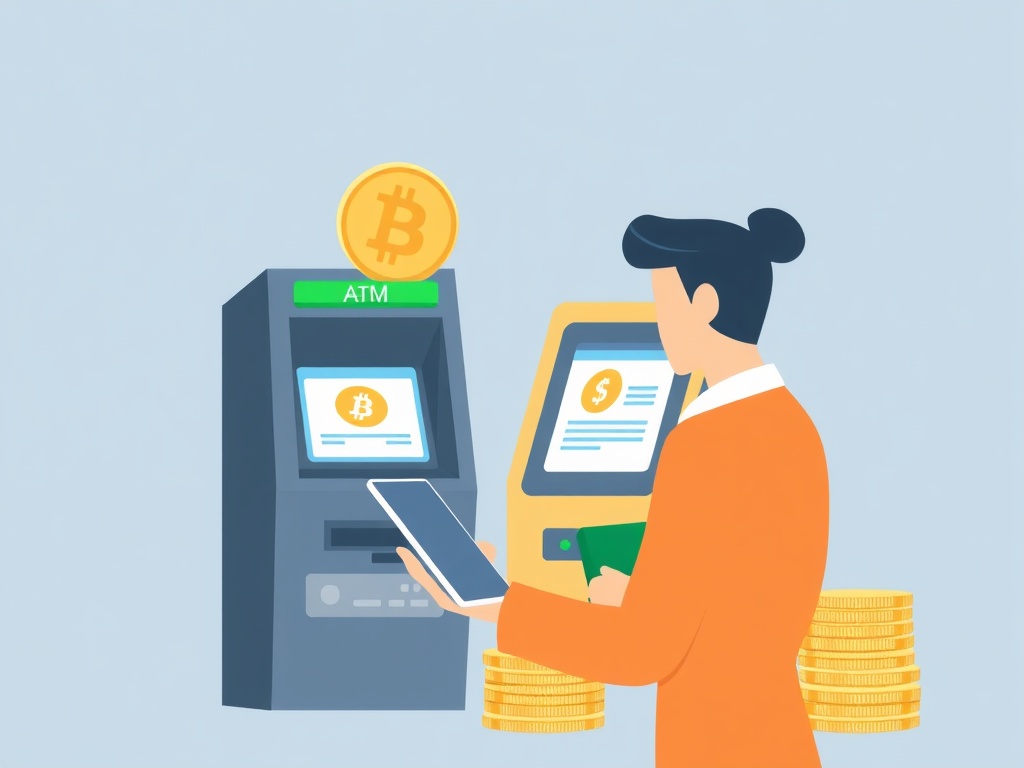
Crypto ATMs allow users to buy or sell cryptocurrencies using cash or debit cards, bridging the gap between traditional finance and digital assets. According to industry reports, the number of crypto ATMs worldwide exceeded 38,000 in 2024, with installations growing at an annual rate of over 30%. This rapid expansion has drawn the attention of regulatory bodies such as the Financial Crimes Enforcement Network (FinCEN) in the United States, the Financial Conduct Authority (FCA) in the United Kingdom, and the Financial Action Task Force (FATF) globally.
Unlike traditional ATMs, crypto ATMs operate in a regulatory gray area. While they facilitate financial transactions, they are not always subject to the same stringent controls as banks or money services businesses (MSBs). This discrepancy has led to concerns that crypto ATMs could be exploited for illicit activities, including money laundering and the purchase of illicit goods. As a result, regulators are increasingly mandating that crypto ATM operators implement robust AML check crypto ATM operator compliance measures to mitigate these risks.
Legal and Financial Risks of Non-Compliance
Failure to comply with AML regulations can result in severe consequences for crypto ATM operators. Regulatory penalties may include hefty fines, license revocation, or even criminal charges in cases of willful negligence. For example, in 2023, FinCEN imposed a $1.2 million fine on a crypto ATM operator for failing to implement adequate AML controls, highlighting the financial stakes involved.
Beyond financial penalties, non-compliance can damage an operator's reputation, leading to loss of customer trust and partnerships with financial institutions. In an industry where trust is paramount, reputational harm can be just as damaging as monetary fines. Additionally, non-compliant operators may face increased scrutiny from law enforcement agencies, further complicating their operations.
The Role of AML Checks in Preventing Financial Crime
AML checks are designed to detect and prevent suspicious transactions that could indicate money laundering or other financial crimes. For crypto ATM operators, these checks involve verifying customer identities, monitoring transactions for unusual patterns, and reporting suspicious activities to relevant authorities. Implementing effective AML check crypto ATM operator compliance helps operators fulfill their legal obligations while contributing to the broader effort to combat financial crime.
By integrating AML checks into their operations, crypto ATM operators can identify high-risk transactions, such as large cash deposits or rapid, high-volume transactions, which may warrant further investigation. This proactive approach not only protects the operator but also enhances the integrity of the cryptocurrency ecosystem as a whole.
---Key Regulatory Frameworks for AML Check Crypto ATM Operator Compliance
United States: FinCEN and Bank Secrecy Act (BSA) Requirements
In the United States, crypto ATM operators are classified as money services businesses (MSBs) under the Bank Secrecy Act (BSA). This classification subjects them to AML compliance requirements, including the implementation of a comprehensive AML program, customer due diligence (CDD), and suspicious activity reporting (SAR).
Under FinCEN guidelines, crypto ATM operators must:
- Register as MSBs with FinCEN.
- Develop and implement an AML compliance program that includes policies, procedures, and internal controls.
- Conduct customer due diligence (CDD) to verify the identities of users engaging in transactions above certain thresholds.
- Monitor transactions for suspicious activity and file SARs with FinCEN when necessary.
- Maintain records of transactions and customer identification for at least five years.
Operators must also comply with the Travel Rule, which requires the transmission of certain transaction information to counterparties in transactions exceeding $3,000. Failure to adhere to these requirements can result in significant penalties, as demonstrated by the fines imposed on non-compliant operators in recent years.
European Union: 5th and 6th Anti-Money Laundering Directives (5AMLD and 6AMLD)
In the European Union, crypto ATM operators are subject to the 5th and 6th Anti-Money Laundering Directives (5AMLD and 6AMLD), which expand AML obligations to include virtual asset service providers (VASPs). Under these directives, operators must implement robust AML controls, including:
- Customer identification and verification (KYC) procedures.
- Risk assessment and mitigation strategies.
- Suspicious transaction monitoring and reporting.
- Record-keeping requirements for at least five years.
The 6AMLD further strengthens these requirements by introducing stricter penalties for non-compliance and expanding the scope of criminal liability to include legal entities. Operators must also comply with the EU's General Data Protection Regulation (GDPR) when handling customer data, ensuring that AML checks are conducted in a manner that respects privacy rights.
Other Global Regulatory Considerations
Beyond the United States and the European Union, crypto ATM operators must navigate a patchwork of regulations depending on their operating jurisdictions. For example:
- Canada: Operators must register with the Financial Transactions and Reports Analysis Centre of Canada (FINTRAC) and comply with AML and Know Your Customer (KYC) requirements.
- Australia: The Australian Transaction Reports and Analysis Centre (AUSTRAC) regulates crypto ATMs, requiring operators to implement AML programs and report suspicious activities.
- Singapore: The Monetary Authority of Singapore (MAS) mandates that crypto ATM operators obtain a license and comply with AML and counter-terrorism financing (CTF) regulations.
Operators must stay informed about regulatory developments in their target markets to ensure ongoing compliance. Engaging with legal experts and industry associations can help operators navigate these complex regulatory landscapes.
---Best Practices for Implementing AML Check Crypto ATM Operator Compliance
Developing a Robust AML Compliance Program
A well-structured AML compliance program is the foundation of AML check crypto ATM operator compliance. This program should include the following key components:
- Policies and Procedures: Operators must establish written policies and procedures that outline their AML compliance framework. These documents should detail how the operator will identify, assess, and mitigate money laundering risks, as well as how it will handle customer due diligence and suspicious activity reporting.
- Designated Compliance Officer: A designated compliance officer should oversee the implementation and enforcement of the AML program. This individual should have the authority to make decisions and ensure that the program is effectively communicated to all employees.
- Employee Training: Regular training sessions should be conducted to educate employees about AML risks, regulatory requirements, and their roles in maintaining compliance. Training should cover topics such as recognizing suspicious transactions, conducting customer due diligence, and reporting procedures.
- Independent Audits: Regular independent audits should be conducted to assess the effectiveness of the AML program and identify areas for improvement. Audits can be performed internally or by third-party experts to ensure objectivity.
By implementing a comprehensive AML compliance program, operators can demonstrate their commitment to regulatory compliance and reduce the risk of financial crime within their operations.
Conducting Effective Customer Due Diligence (CDD)
Customer due diligence (CDD) is a critical component of AML check crypto ATM operator compliance. CDD involves verifying the identity of customers and assessing their risk profiles to determine the appropriate level of monitoring. The following steps are essential for effective CDD:
- Identity Verification: Operators must collect and verify customer identification documents, such as government-issued IDs, passports, or driver's licenses. This process should be conducted for all customers, regardless of transaction size.
- Risk Assessment: Customers should be categorized based on their risk profiles. High-risk customers, such as those from high-risk jurisdictions or those engaging in large or frequent transactions, may require enhanced due diligence (EDD).
- Ongoing Monitoring: Operators must continuously monitor customer transactions to detect unusual or suspicious activity. This includes tracking transaction patterns, such as rapid, high-volume transactions or transactions involving high-risk jurisdictions.
- Record-Keeping: All CDD records must be maintained for at least five years, as required by most regulatory frameworks. These records should include customer identification documents, transaction details, and any risk assessments conducted.
By implementing robust CDD procedures, operators can minimize the risk of money laundering and ensure compliance with regulatory requirements.
Monitoring Transactions for Suspicious Activity
Transaction monitoring is a key aspect of AML check crypto ATM operator compliance. Operators must implement systems to detect and report suspicious transactions that may indicate money laundering or other financial crimes. The following strategies can help operators enhance their transaction monitoring capabilities:
- Automated Monitoring Systems: Utilizing automated transaction monitoring systems can help operators identify suspicious patterns in real-time. These systems can flag transactions that exceed predefined thresholds, involve high-risk jurisdictions, or exhibit unusual behavior.
- Threshold Monitoring: Operators should set transaction thresholds for monitoring purposes. Transactions that exceed these thresholds should be subject to enhanced scrutiny, including additional verification and risk assessment.
- Geographic Risk Assessment: Operators should assess the risk associated with transactions involving high-risk jurisdictions. Transactions from or to these jurisdictions should be closely monitored and reported if they exhibit suspicious characteristics.
- Behavioral Analysis: Analyzing customer behavior can help operators identify patterns that may indicate money laundering. For example, customers who frequently conduct large cash transactions or who exhibit rapid, high-volume trading behavior may warrant further investigation.
By implementing effective transaction monitoring systems, operators can proactively identify and report suspicious activities, thereby fulfilling their AML obligations and protecting their businesses from regulatory scrutiny.
---Technology and Tools for Enhancing AML Check Crypto ATM Operator Compliance
The Role of AI and Machine Learning in AML Compliance
Technology plays a crucial role in enhancing AML check crypto ATM operator compliance. Artificial intelligence (AI) and machine learning (ML) can automate many aspects of AML compliance, including customer due diligence, transaction monitoring, and risk assessment. These technologies can analyze vast amounts of data in real-time, identifying suspicious patterns and reducing the risk of human error.
For example, AI-powered systems can detect anomalies in transaction patterns, such as rapid, high-volume transactions or transactions involving high-risk jurisdictions. These systems can also adapt to evolving money laundering tactics, ensuring that operators stay ahead of emerging threats. By leveraging AI and ML, operators can enhance the efficiency and effectiveness of their AML programs while reducing operational costs.
Blockchain Analytics and Transaction Tracing
Blockchain analytics tools are essential for crypto ATM operators seeking to enhance their AML check crypto ATM operator compliance. These tools allow operators to trace transactions on the blockchain, identifying the flow of funds and detecting suspicious activities. By analyzing transaction patterns, operators can identify high-risk addresses, detect money laundering schemes, and comply with regulatory reporting requirements.
Blockchain analytics platforms, such as Chainalysis, CipherTrace, and Elliptic, provide operators with real-time insights into transaction flows. These platforms can also generate reports for regulatory authorities, simplifying the process of filing suspicious activity reports (SARs). By integrating blockchain analytics into their AML programs, operators can enhance their ability to detect and prevent financial crime.
Compliance Management Software
Compliance management software (CMS) is another valuable tool for crypto ATM operators seeking to streamline their AML check crypto ATM operator compliance processes. CMS platforms automate many aspects of AML compliance, including customer due diligence, transaction monitoring, and reporting. These platforms can integrate with existing systems, providing operators with a centralized solution for managing their AML obligations.
Key features of compliance management software include:
- Automated KYC/CDD: CMS platforms can automate the customer identification and verification process, reducing the risk of human error and ensuring compliance with regulatory requirements.
- Real-Time Monitoring: These platforms can monitor transactions in real-time, flagging suspicious activities and generating alerts for further investigation.
- Reporting and Documentation: CMS platforms can generate reports for regulatory authorities, simplifying the process of filing suspicious activity reports (SARs) and other compliance documents.
- Audit Trails: Compliance management software maintains detailed audit trails, ensuring that operators can demonstrate their adherence to AML regulations during regulatory inspections.
By leveraging compliance management software, operators can enhance the efficiency and effectiveness of their AML programs while reducing the administrative burden associated with compliance.
---Common Challenges and Solutions for AML Check Crypto ATM Operator Compliance
Balancing Compliance with Customer Experience
One of the biggest challenges for crypto ATM operators is balancing AML check crypto ATM operator compliance with a seamless customer experience. Customers expect quick and convenient transactions, but stringent AML checks can introduce delays and friction. To address this challenge, operators should:
- Implement Risk-Based Approaches: Operators can tailor their AML checks based on customer risk profiles. Low-risk customers may undergo simplified due diligence, while high-risk customers may require enhanced verification processes.
- Leverage Technology: Automated KYC/CDD systems can streamline the verification process, reducing wait times for customers while ensuring compliance with regulatory requirements.
- Educate Customers: Providing clear information about AML requirements can help customers understand the necessity of these checks and reduce frustration.
By adopting a risk-based approach and leveraging technology, operators can maintain a positive customer experience while fulfilling their AML obligations.
Dealing with High-Risk Jurisdictions
Operators often face challenges when dealing with transactions involving high-risk jurisdictions. These jurisdictions may have weak AML controls or be associated with money laundering and terrorist financing. To mitigate these risks, operators should:
- Conduct Enhanced Due Diligence (EDD): High-risk transactions should undergo enhanced scrutiny, including additional verification and risk assessment.
- Implement Geographic Restrictions: Operators may choose to restrict transactions involving high-risk jurisdictions or require additional approvals for these transactions.
- Monitor Transactions Closely: Transactions involving high-risk jurisdictions should be closely monitored for suspicious activity, and any unusual patterns should be reported to regulatory authorities.
By implementing these strategies, operators can reduce the risk of money laundering and ensure compliance with regulatory requirements.
Addressing the Complexity of Cross-Border Transactions
Crypto ATMs often facilitate cross-border transactions, which can complicate AML compliance due to varying regulatory frameworks and jurisdictional risks. To address these challenges, operators should:
- Stay Informed About Global Regulations: Operators must stay up-to-date with AML regulations in all jurisdictions where they operate. Engaging with legal experts and industry associations can help operators navigate these complex regulatory landscapes.
- Implement Standardized Compliance Procedures: Operators should establish standardized AML procedures that comply with the most stringent regulatory requirements. This ensures consistency across all jurisdictions and reduces the risk of non-compliance.
- Collaborate with Regulatory Authorities: Building strong relationships with regulatory authorities can help operators stay informed about emerging risks and regulatory developments.
By adopting these strategies, operators can effectively manage the complexities of cross-border transactions while ensuring compliance with AML regulations.
---Future Trends and the Evolving Landscape of AML Check Crypto ATM Operator Compliance
The Impact of Central Bank Digital Currencies (CBDCs)
The emergence of central bank digital currencies (CBDCs) is poised to reshape the regulatory landscape for crypto ATMs and other digital asset service providers. CBDCs, which are digital representations of fiat currencies issued by central banks, could introduce new AML challenges and opportunities for operators. For example, CBDCs may require operators to adapt their AML procedures to account for the unique characteristics of these digital currencies.
As CBDCs gain traction, regulators are likely to introduce new AML requirements tailored to these digital assets. Operators should stay informed about these developments and be prepared to adapt their compliance programs accordingly. By proactively addressing the challenges posed by CBDCs, operators can position themselves as leaders in the evolving digital asset ecosystem.
The Role of Decentralized Finance (DeFi) in AML Compliance
 David Chen
Digital Assets Strategist
David Chen
Digital Assets Strategist
Strengthening AML Check Crypto ATM Operator Compliance: A Strategic Imperative for Digital Asset Operators
As a digital assets strategist with deep roots in both traditional finance and cryptocurrency markets, I’ve observed that crypto ATM operators sit at a critical junction of innovation and regulatory scrutiny. AML check crypto ATM operator compliance isn’t just a checkbox—it’s a foundational pillar for sustainable growth in this rapidly evolving sector. These machines, which bridge the gap between fiat and digital currencies, are increasingly under the microscope of global financial regulators. From FinCEN in the U.S. to the EU’s Fifth Anti-Money Laundering Directive (5AMLD), the compliance bar is rising. Operators who treat AML as an afterthought risk not only hefty fines but reputational damage that can erode customer trust overnight. The key lies in embedding robust, real-time AML checks into every transaction flow—before, during, and after the point of sale.
From a practical standpoint, effective AML compliance for crypto ATM operators hinges on three core components: identity verification, transaction monitoring, and ongoing due diligence. First, operators must deploy tiered KYC (Know Your Customer) protocols that adapt to transaction size and risk profile—leveraging biometric verification and government ID scans for larger transactions. Second, integrating blockchain analytics tools like Chainalysis or TRM Labs enables real-time screening of wallet addresses against sanctions lists and known illicit entities. Finally, continuous monitoring of transaction patterns helps flag suspicious behavior, such as rapid, high-value exchanges or structuring attempts. The most forward-thinking operators go further by implementing AI-driven anomaly detection and automated reporting to regulators. In an environment where regulatory expectations are outpacing technological readiness, proactive AML integration isn’t just smart—it’s existential.