In the evolving landscape of financial compliance, Anti-Money Laundering (AML) check holding subsidiary structure has emerged as a critical framework for financial institutions seeking to mitigate risks associated with illicit financial activities. This sophisticated organizational model not only enhances regulatory adherence but also streamlines compliance operations across multinational entities. As global AML regulations tighten, understanding the intricacies of this structure becomes indispensable for compliance officers, risk managers, and financial executives.
This article delves into the core components, strategic benefits, implementation challenges, and best practices associated with an AML check holding subsidiary structure. By examining real-world applications and regulatory expectations, we aim to provide actionable insights that empower financial institutions to optimize their compliance frameworks while maintaining operational efficiency.
---The Fundamentals of AML Check Holding Subsidiary Structure
What Is an AML Check Holding Subsidiary?
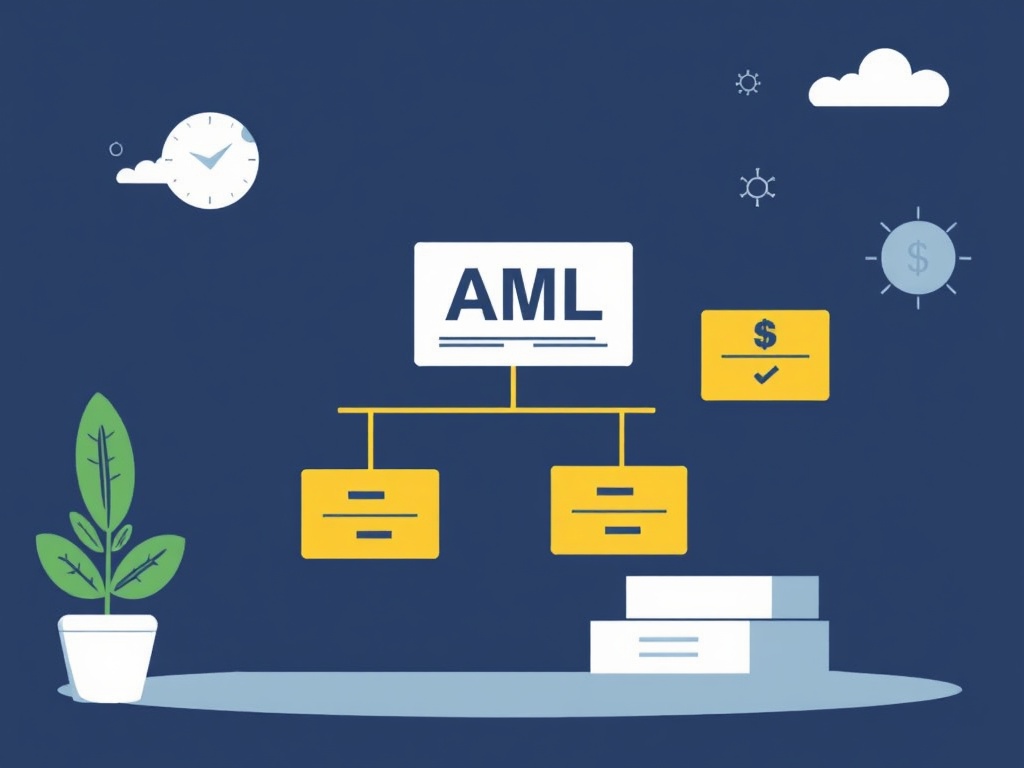
An AML check holding subsidiary structure refers to a legal and operational arrangement where a parent financial institution establishes one or more subsidiaries specifically tasked with centralizing and managing AML compliance functions. These subsidiaries are typically structured as separate legal entities but operate under the governance and oversight of the parent company. Their primary role is to conduct customer due diligence (CDD), transaction monitoring, suspicious activity reporting (SAR), and ongoing AML training across the entire corporate group.
The rationale behind this structure stems from the need for consistency, scalability, and specialized expertise. By consolidating AML functions within a dedicated subsidiary, financial institutions can ensure uniform application of compliance policies, reduce redundancy, and leverage economies of scale in technology and personnel investments.
Key Objectives of Implementing This Structure
Financial institutions adopt an AML check holding subsidiary structure to achieve several critical objectives:
- Centralized Compliance Oversight: Ensuring that AML policies and procedures are uniformly applied across all subsidiaries, regardless of jurisdiction.
- Enhanced Risk Management: Facilitating a holistic view of risk exposure by aggregating data from multiple entities into a single compliance framework.
- Regulatory Alignment: Meeting the stringent requirements of global AML regulations, such as the Financial Action Task Force (FATF) Recommendations, the Bank Secrecy Act (BSA), and the EU’s Sixth Anti-Money Laundering Directive (6AMLD).
- Operational Efficiency: Reducing duplication of efforts by consolidating AML functions such as customer screening, transaction monitoring, and reporting.
- Resource Optimization: Leveraging shared technology platforms, training programs, and compliance personnel to minimize costs while maximizing effectiveness.
Legal and Regulatory Framework Governing AML Subsidiary Structures
The implementation of an AML check holding subsidiary structure must align with a complex web of international and local regulations. Key regulatory bodies and frameworks include:
- Financial Action Task Force (FATF): The FATF sets global standards for AML and Counter-Terrorism Financing (CTF), emphasizing the need for robust internal controls and group-wide compliance programs.
- Bank Secrecy Act (BSA) and USA PATRIOT Act (U.S.): These laws require financial institutions to establish AML programs, including customer identification programs (CIP), CDD, and SAR filing.
- EU AML Directives (5AMLD, 6AMLD): The EU mandates that financial institutions implement risk-based approaches, enhanced due diligence (EDD) for high-risk customers, and centralized beneficial ownership registers.
- Local Jurisdictional Requirements: Countries such as the UK, Singapore, and Australia have their own AML regulations that may impose additional obligations on holding subsidiaries, such as local registration or independent compliance audits.
Financial institutions must conduct thorough legal reviews to ensure that their AML check holding subsidiary structure complies with all applicable laws. Failure to do so can result in severe penalties, reputational damage, and operational disruptions.
---Designing an Effective AML Check Holding Subsidiary Structure
Step 1: Assessing Organizational Needs and Risk Profile
Before establishing an AML check holding subsidiary structure, financial institutions must conduct a comprehensive risk assessment to identify their exposure to money laundering and terrorist financing risks. This assessment should consider factors such as:
- The nature of the institution’s products and services (e.g., retail banking, private wealth management, correspondent banking).
- Geographic footprint, including high-risk jurisdictions.
- Customer base, particularly the proportion of politically exposed persons (PEPs) and high-net-worth individuals (HNWIs).
- Transaction volumes and patterns, including cross-border transfers and cash-intensive operations.
Based on this assessment, institutions can determine the scope of the subsidiary’s responsibilities, the level of resources required, and the technological infrastructure needed to support AML operations.
Step 2: Structuring the Subsidiary for Optimal Compliance
The legal and operational structure of the AML check holding subsidiary must be carefully designed to balance autonomy with oversight. Common structural models include:
Model 1: Fully Centralized Structure
In this model, the subsidiary operates as a standalone entity with full responsibility for AML compliance across the entire group. All subsidiaries report to the holding subsidiary, which has the authority to:
- Set and enforce AML policies and procedures.
- Conduct customer due diligence and ongoing monitoring.
- File suspicious activity reports (SARs) with regulatory authorities.
- Manage AML training and awareness programs.
Advantages: Maximum consistency, reduced duplication, and streamlined reporting.
Challenges: Potential resistance from local subsidiaries due to perceived loss of autonomy; may require significant cultural change.
Model 2: Hybrid Structure
A hybrid AML check holding subsidiary structure combines centralized oversight with local execution. The holding subsidiary sets high-level policies and standards, while local subsidiaries retain responsibility for day-to-day compliance activities, such as customer onboarding and transaction monitoring.
Advantages: Balances global consistency with local flexibility; easier to implement in diverse jurisdictions.
Challenges: Requires robust communication and coordination mechanisms to ensure alignment with group-wide policies.
Model 3: Federated Structure
In a federated model, the holding subsidiary provides guidance, tools, and shared services (e.g., AML software, training) but allows local subsidiaries to tailor compliance programs to their specific risk profiles and regulatory environments.
Advantages: Promotes local ownership and adaptability; reduces resistance to change.
Challenges: Risk of inconsistent application of AML standards; requires strong governance to maintain oversight.
Step 3: Defining Roles and Responsibilities
Clear delineation of roles and responsibilities is essential for the success of an AML check holding subsidiary structure. Key roles include:
- Board of Directors and Senior Management: Responsible for setting the tone from the top, approving AML policies, and ensuring adequate resources are allocated to the subsidiary.
- Chief Compliance Officer (CCO): Oversees the subsidiary’s operations, reports to the board, and ensures compliance with regulatory requirements.
- AML Compliance Team: Conducts day-to-day activities such as customer screening, transaction monitoring, and SAR filing.
- Local Compliance Officers: Act as liaisons between the holding subsidiary and local entities, ensuring that group-wide policies are implemented effectively at the subsidiary level.
- Internal Audit and Risk Functions: Provide independent oversight to assess the effectiveness of the AML program and identify areas for improvement.
Institutions should document these roles in a formal compliance charter or policy manual to ensure accountability and transparency.
Step 4: Integrating Technology and Data Management
Technology plays a pivotal role in supporting an effective AML check holding subsidiary structure. Financial institutions must invest in robust AML software solutions that enable:
- Customer Due Diligence (CDD) and Enhanced Due Diligence (EDD): Automated screening against sanctions lists, PEP databases, and adverse media sources.
- Transaction Monitoring: Real-time analysis of transaction patterns to detect suspicious activities, such as structuring or rapid movement of funds.
- Case Management: Workflow tools to track and investigate alerts generated by monitoring systems.
- Regulatory Reporting: Automated generation and filing of SARs, Currency Transaction Reports (CTRs), and other required disclosures.
- Data Analytics and Reporting: Dashboards and reporting tools to provide senior management and regulators with insights into the institution’s AML risk profile.
Integration with existing core banking systems and customer relationship management (CRM) platforms is critical to ensure seamless data flow and avoid silos. Institutions should also consider leveraging artificial intelligence (AI) and machine learning (ML) to enhance the accuracy and efficiency of their AML programs.
---Benefits of Implementing an AML Check Holding Subsidiary Structure
Enhanced Regulatory Compliance and Reduced Risk Exposure
One of the most significant benefits of an AML check holding subsidiary structure is the ability to achieve consistent and robust compliance across all jurisdictions. By centralizing AML functions, financial institutions can ensure that policies and procedures are uniformly applied, reducing the risk of regulatory breaches and associated penalties.
For example, a multinational bank with subsidiaries in the U.S., EU, and Asia can standardize its CDD processes, ensuring that all customers undergo the same level of scrutiny regardless of their location. This not only simplifies regulatory reporting but also strengthens the institution’s defenses against money laundering and terrorist financing.
Operational Efficiency and Cost Savings
Consolidating AML functions within a dedicated subsidiary eliminates redundancy and streamlines operations. Instead of each subsidiary maintaining its own compliance team, technology, and reporting systems, the holding subsidiary can leverage economies of scale to reduce costs.
Key areas where cost savings can be realized include:
- Technology Investments: Shared AML software licenses and infrastructure reduce capital expenditures.
- Personnel: Centralized compliance teams can serve multiple subsidiaries, reducing the need for duplicate staffing.
- Training and Development: Consolidated training programs minimize travel and logistical costs while ensuring consistent knowledge dissemination.
- Audit and Assurance: A single internal audit function can oversee compliance across the entire group, reducing the need for multiple local audits.
According to industry studies, financial institutions that implement centralized AML structures can achieve cost reductions of up to 30% in compliance-related expenditures.
Improved Risk Management and Decision-Making
An AML check holding subsidiary structure provides a holistic view of the institution’s risk exposure, enabling more informed decision-making. By aggregating data from all subsidiaries, the holding company can identify emerging risks, such as trends in suspicious transactions or vulnerabilities in specific product lines.
For instance, if the holding subsidiary detects an increase in high-risk transactions in one jurisdiction, it can proactively implement additional controls or training in that region. This proactive approach not only mitigates risks but also enhances the institution’s reputation as a responsible and compliant organization.
Strengthened Customer Trust and Reputation
In an era where financial crime and regulatory scrutiny are at an all-time high, customers and investors increasingly prioritize institutions with robust AML frameworks. An effective AML check holding subsidiary structure demonstrates a commitment to ethical business practices and regulatory compliance, which can enhance the institution’s reputation and customer trust.
Moreover, in the event of an AML-related incident, a well-structured holding subsidiary can respond more effectively by leveraging centralized resources and expertise. This minimizes reputational damage and reassures stakeholders that the institution is taking proactive steps to address compliance challenges.
---Challenges and Considerations in Implementing an AML Check Holding Subsidiary Structure
Resistance to Change and Cultural Barriers
One of the most significant challenges in implementing an AML check holding subsidiary structure is overcoming resistance from local subsidiaries. Local teams may view the centralization of AML functions as a threat to their autonomy or a disruption to established processes. This resistance can manifest in various ways, such as:
- Reluctance to adopt new policies or technologies.
- Delays in reporting or escalating suspicious activities.
- Pushback against centralized training or audits.
To address these challenges, financial institutions must invest in change management strategies, including:
- Stakeholder Engagement: Involving local compliance officers and senior management in the design and implementation of the structure to foster buy-in.
- Clear Communication: Articulating the benefits of the structure, such as reduced workload, improved risk management, and career development opportunities.
- Pilot Programs: Testing the structure in a limited number of subsidiaries before rolling it out globally to demonstrate its effectiveness.
- Incentives: Recognizing and rewarding local teams that successfully implement the new structure.
Data Privacy and Cross-Border Data Transfers
An AML check holding subsidiary structure often involves the transfer of customer data across jurisdictions, which can raise significant data privacy concerns. Regulations such as the General Data Protection Regulation (GDPR) in the EU impose strict requirements on the processing and transfer of personal data, including:
- Obtaining explicit consent from customers for data sharing.
- Implementing appropriate safeguards, such as Standard Contractual Clauses (SCCs) or Binding Corporate Rules (BCRs).
- Ensuring that data transfers comply with local laws in each jurisdiction.
Financial institutions must conduct thorough data privacy impact assessments (DPIAs) to identify and mitigate risks associated with cross-border data transfers. Failure to comply with data privacy regulations can result in hefty fines and reputational damage.
Integration with Existing Systems and Processes
Integrating an AML check holding subsidiary structure with existing systems and processes can be complex, particularly for institutions with legacy technology platforms. Challenges may include:
- Data Silos: Fragmented customer and transaction data across multiple systems can hinder the effectiveness of centralized AML monitoring.
- Legacy Systems: Outdated technology may lack the capabilities required for real-time transaction monitoring or advanced analytics.
- Process Misalignment: Local subsidiaries may have established workflows that are not compatible with the new structure.
To overcome these challenges, institutions should:
- Conduct a thorough systems audit to identify gaps and redundancies.
- Invest in modern AML software solutions that support integration with core banking systems.
- Develop standardized processes and workflows that can be adapted to local requirements.
- Provide comprehensive training to ensure that staff are proficient in using new systems and tools.
Regulatory Scrutiny and Supervisory Expectations
Regulators are increasingly scrutinizing the effectiveness of AML compliance programs, particularly in the context of holding subsidiary structures. Supervisors may question whether the structure truly enhances compliance or merely creates a false sense of security. Key areas of regulatory focus include:
- Effective Oversight: Are senior management and the board actively overseeing the subsidiary’s operations?
- Resource Allocation: Does the subsidiary have adequate staff, technology, and funding to fulfill its responsibilities?
- Independent Audits: Are there mechanisms in place to assess the subsidiary’s effectiveness, such as internal or external audits?
- Escalation Procedures: Are there clear processes for escalating compliance issues or suspicious activities to senior management or regulators?
Financial institutions must be prepared to demonstrate to regulators that their AML check holding subsidiary structure is not just a paper exercise but a functional and effective compliance mechanism.
---Best Practices for Maintaining an Effective AML Check Holding Subsidiary Structure
Establishing a Strong Governance Framework
A robust governance framework is the cornerstone of an effective AML check holding subsidiary structure. This framework should include:
- Board and Senior Management Oversight: The board of directors and senior management must be actively involved in setting the institution’s AML strategy, approving policies, and allocating resources. Regular reporting on the subsidiary’s performance and risk profile is essential.
- Compliance Charter and Policies: A formal compliance charter should outline the subsidiary’s roles, responsibilities, and reporting lines. Policies should be documented, approved by senior management, and communicated to all stakeholders.
-
 James RichardsonSenior Crypto Market Analyst
Optimizing AML Compliance: The Strategic Role of Holding Subsidiary Structures in Crypto
As a Senior Crypto Market Analyst with over a decade of experience navigating the complexities of digital asset ecosystems, I’ve observed that the AML check holding subsidiary structure has emerged as a critical compliance tool for institutions operating in the crypto space. These structures are not merely legal formalities—they serve as a first line of defense against financial crime by segregating high-risk activities into specialized entities. For crypto firms, particularly those engaged in custody, trading, or DeFi protocols, a well-designed holding subsidiary can streamline Know Your Customer (KYC) and Anti-Money Laundering (AML) processes by centralizing risk assessment while isolating operational liabilities. The key lies in ensuring these subsidiaries are not just shell entities but are equipped with robust compliance frameworks, including real-time transaction monitoring and automated sanctions screening.
From a practical standpoint, the AML check holding subsidiary structure must be tailored to the jurisdiction of operation. For instance, a European-based crypto exchange leveraging a subsidiary in a jurisdiction with stringent AML laws (e.g., Estonia or Switzerland) can benefit from enhanced regulatory clarity while mitigating exposure to higher-risk markets. However, the structure’s effectiveness hinges on transparency—regulators increasingly scrutinize opaque corporate hierarchies, especially in crypto where anonymity is often a red flag. Institutions should prioritize subsidiaries with clear ownership trails, independent audits, and alignment with FATF’s Travel Rule requirements. Ultimately, the goal isn’t just compliance; it’s building trust with both regulators and counterparties in an industry where reputational risks can outweigh financial ones.