In today’s financial landscape, regulatory compliance is more critical than ever. Financial institutions, businesses, and individuals must navigate complex anti-money laundering (AML) regulations to prevent illicit financial activities. One of the most scrutinized aspects of AML compliance is the AML check 10000 cash limit. This threshold, often tied to cash transactions, plays a pivotal role in detecting and deterring money laundering and other financial crimes.
This comprehensive guide explores the AML check 10000 cash limit in depth, covering its legal framework, practical implications, compliance requirements, and best practices for businesses. Whether you're a financial professional, business owner, or simply curious about AML regulations, this article will provide valuable insights into how the AML check 10000 cash limit works and why it matters.
---What Is the AML Check 10000 Cash Limit?
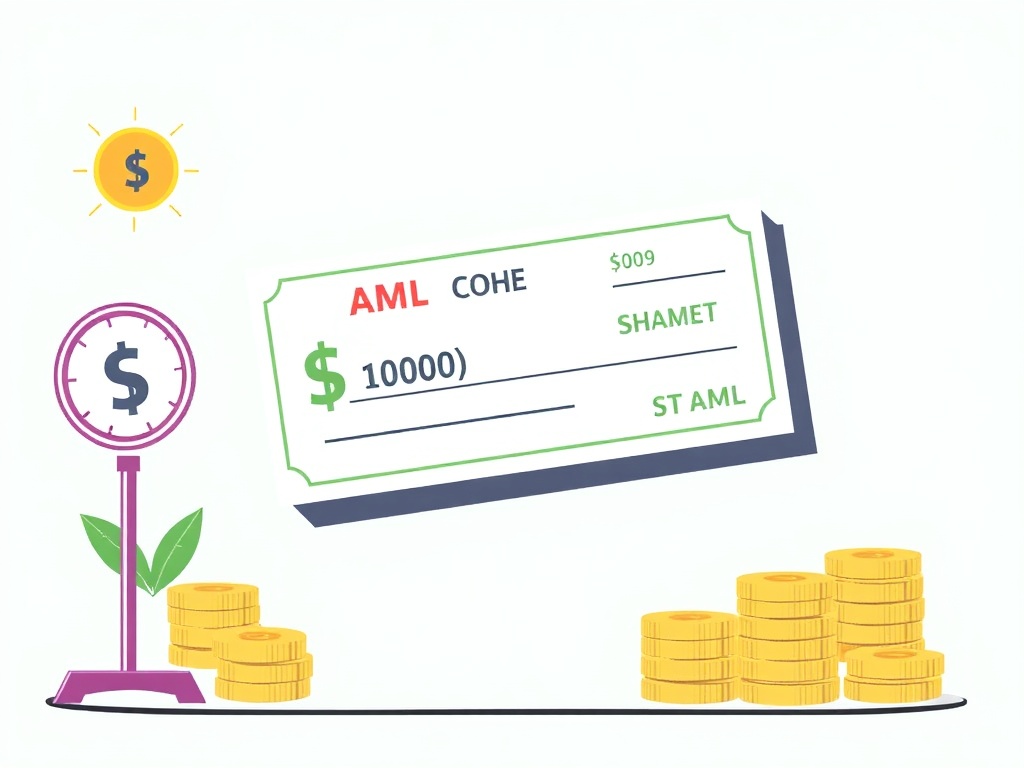
The AML check 10000 cash limit refers to the regulatory requirement that financial institutions and certain businesses must verify the identity of individuals conducting cash transactions exceeding $10,000 (or equivalent in other currencies). This rule is a cornerstone of the Bank Secrecy Act (BSA) in the United States and similar legislation worldwide, such as the EU’s Fourth and Fifth Anti-Money Laundering Directives.
Legal Basis and Regulatory Framework
The AML check 10000 cash limit is primarily derived from the following key regulations:
- Bank Secrecy Act (BSA) – United States: Enacted in 1970, the BSA requires financial institutions to assist U.S. government agencies in detecting and preventing money laundering. The AML check 10000 cash limit is enforced through the Currency Transaction Report (CTR) requirement, where transactions over $10,000 must be reported to the Financial Crimes Enforcement Network (FinCEN).
- Patriot Act (2001): Strengthened AML laws by expanding reporting requirements and introducing the Customer Identification Program (CIP), which mandates identity verification for high-value transactions.
- EU AML Directives (4th and 5th): In Europe, the AML check 10000 cash limit is mirrored in regulations requiring cash transaction reporting for amounts exceeding €10,000 (or equivalent). These directives aim to harmonize AML efforts across EU member states.
- Financial Action Task Force (FATF) Recommendations: The FATF, an intergovernmental body, sets global standards for AML compliance, including thresholds for cash transaction monitoring.
Purpose of the AML Check 10000 Cash Limit
The primary goal of the AML check 10000 cash limit is to:
- Detect Suspicious Activities: Large cash transactions are often used to obscure the origin of illicit funds. By monitoring and reporting these transactions, authorities can identify potential money laundering schemes.
- Enhance Transparency: Requiring identity verification for high-value cash transactions ensures that financial systems remain transparent and accountable.
- Deter Financial Crimes: The threat of reporting and scrutiny acts as a deterrent for criminals seeking to launder money through cash-intensive businesses.
- Support Law Enforcement: CTRs and similar reports provide law enforcement with critical data to investigate and prosecute financial crimes.
Who Is Subject to the AML Check 10000 Cash Limit?
The AML check 10000 cash limit applies to a wide range of entities, including financial institutions, businesses, and even individuals in certain contexts. Understanding who is subject to this requirement is essential for compliance.
Financial Institutions
Banks, credit unions, investment firms, and other financial institutions are the primary entities required to comply with the AML check 10000 cash limit. Key responsibilities include:
- Filing Currency Transaction Reports (CTRs): Financial institutions must file CTRs for cash transactions exceeding $10,000 in a single day, even if the transaction is conducted in multiple smaller amounts (a practice known as "structuring").
- Customer Due Diligence (CDD): Institutions must verify the identity of customers conducting high-value cash transactions and maintain records for at least five years.
- Suspicious Activity Reporting (SAR): If a transaction appears suspicious, even if it doesn’t exceed $10,000, institutions must file a Suspicious Activity Report (SAR).
Businesses and Industries Affected
Beyond traditional financial institutions, the AML check 10000 cash limit impacts several industries where cash transactions are common:
- Retail and Hospitality: Businesses such as casinos, hotels, and high-end retailers often deal with large cash payments and must comply with AML reporting requirements.
- Real Estate: Cash transactions in real estate, particularly for high-value properties, are subject to scrutiny to prevent money laundering through property purchases.
- Automotive Dealerships: Dealers selling luxury vehicles or accepting large cash payments must report transactions exceeding $10,000.
- Precious Metals and Jewelry Dealers: Businesses dealing in high-value commodities like gold, silver, and diamonds are often required to implement AML checks.
- Money Services Businesses (MSBs): Entities such as currency exchange bureaus, check-cashing services, and money transfer operators must comply with AML regulations, including the AML check 10000 cash limit.
Individuals and Structuring Risks
While individuals are not typically required to file reports, they can inadvertently trigger AML scrutiny if they:
- Structure Transactions: Breaking down a single large transaction into smaller amounts to avoid the $10,000 threshold is illegal and constitutes "structuring," a federal crime under the BSA.
- Engage in Suspicious Activity: Individuals making multiple cash deposits just below $10,000 in a short period may raise red flags with financial institutions.
- Fail to Provide Identification: When conducting a cash transaction over $10,000, individuals must provide valid identification. Failure to do so can result in the transaction being reported or blocked.
How Does the AML Check 10000 Cash Limit Work in Practice?
Implementing the AML check 10000 cash limit involves a series of steps designed to ensure compliance and detect potential money laundering. Below is a breakdown of how this process typically unfolds in financial institutions and businesses.
Step 1: Transaction Monitoring and Detection
Financial institutions and businesses use automated systems to monitor cash transactions in real-time. Key features of these systems include:
- Threshold Alerts: Transactions exceeding $10,000 trigger an automatic alert for review by compliance officers.
- Aggregation of Transactions: If an individual conducts multiple transactions within a 24-hour period that collectively exceed $10,000, the institution must file a CTR. For example, two $6,000 transactions in one day would require reporting.
- Pattern Recognition: Advanced AML software can identify suspicious patterns, such as frequent deposits just below the threshold or transactions involving high-risk jurisdictions.
Step 2: Customer Identification and Verification
Once a transaction triggers the AML check 10000 cash limit, the institution must verify the customer’s identity. This process involves:
- Requesting Identification: Customers must provide a government-issued ID, such as a passport or driver’s license.
- Collecting Additional Information: Institutions may ask for the customer’s name, address, occupation, and the source of funds.
- Enhanced Due Diligence (EDD): For high-risk customers or transactions, additional verification steps, such as background checks or source-of-funds documentation, may be required.
Step 3: Reporting and Recordkeeping
After verifying the customer’s identity, the institution must take the following actions:
- Filing a Currency Transaction Report (CTR): The CTR must be filed with FinCEN (in the U.S.) or the relevant authority in other jurisdictions. The report includes details such as the customer’s name, address, transaction amount, and the financial institution’s details.
- Maintaining Records: Institutions must retain records of all cash transactions exceeding $10,000 for at least five years. This includes copies of identification documents and transaction receipts.
- Monitoring for Suspicious Activity: Even if a transaction does not exceed $10,000, institutions must remain vigilant for suspicious behavior, such as unusual transaction patterns or attempts to avoid reporting requirements.
Step 4: Compliance and Audits
To ensure adherence to the AML check 10000 cash limit, financial institutions undergo regular audits and examinations by regulatory bodies. Key aspects of compliance include:
- Internal Audits: Institutions conduct periodic reviews to assess their AML compliance programs and identify areas for improvement.
- Regulatory Examinations: Agencies such as the Office of the Comptroller of the Currency (OCC) or the Financial Conduct Authority (FCA) in the UK may conduct examinations to verify compliance with AML regulations.
- Employee Training: Staff must be trained on AML policies, including how to identify and report suspicious transactions that may trigger the AML check 10000 cash limit.
Risks and Penalties Associated with Non-Compliance
Failing to comply with the AML check 10000 cash limit can result in severe consequences for financial institutions, businesses, and individuals. Regulatory bodies impose hefty fines, legal penalties, and reputational damage for non-compliance.
Financial Penalties
Regulatory agencies have levied billions of dollars in fines against institutions for AML violations. Examples include:
- HSBC (2012): Fined $1.9 billion for failing to implement adequate AML controls, including inadequate monitoring of cash transactions that exceeded the AML check 10000 cash limit.
- Wells Fargo (2020): Fined $3 billion for AML deficiencies, including failing to file CTRs for transactions that should have triggered the AML check 10000 cash limit.
- Danske Bank (2022): Faced a $2 billion fine for AML violations, including inadequate monitoring of high-value cash transactions in its Estonian branch.
Legal Consequences
Non-compliance with the AML check 10000 cash limit can lead to criminal charges, including:
- Money Laundering Charges: Individuals or entities found to be involved in structuring transactions to avoid the $10,000 threshold may face federal charges.
- Bank Secrecy Act Violations: Failure to file CTRs or maintain required records can result in civil and criminal penalties under the BSA.
- Suspension or Revocation of Licenses: Businesses, particularly MSBs, may have their licenses suspended or revoked for repeated AML violations.
Reputational Damage
Beyond financial and legal penalties, non-compliance with the AML check 10000 cash limit can severely damage an institution’s reputation. Customers and partners may lose trust in the business, leading to:
- Loss of Business: Clients may choose to take their business elsewhere if they perceive the institution as non-compliant or high-risk.
- Negative Publicity: High-profile AML cases often attract media attention, further eroding public trust.
- Difficulty in Obtaining Licenses: Regulatory bodies may be hesitant to approve new licenses or expansions for institutions with a history of AML violations.
Individual Liability
Individuals, including compliance officers and senior management, can also face personal liability for AML violations. Penalties may include:
- Fines: Personal fines can range from thousands to millions of dollars, depending on the severity of the violation.
- Imprisonment: In extreme cases, individuals may face jail time for willful violations of AML regulations.
- Professional Sanctions: Regulatory bodies may bar individuals from working in the financial industry.
Best Practices for Compliance with the AML Check 10000 Cash Limit
To avoid the risks associated with non-compliance, financial institutions and businesses must implement robust AML compliance programs. Below are best practices for ensuring adherence to the AML check 10000 cash limit.
1. Implement Robust Transaction Monitoring Systems
Effective AML compliance starts with the right technology. Institutions should invest in:
- Automated Monitoring Tools: Use AML software that can detect and flag transactions exceeding $10,000 in real-time.
- Aggregation Capabilities: Ensure the system can aggregate multiple transactions within a 24-hour period to identify potential structuring.
- Risk-Based Alerts: Customize alerts based on customer risk profiles, with higher thresholds for low-risk customers and stricter monitoring for high-risk individuals.
2. Conduct Regular Employee Training
Employees are the first line of defense against AML violations. Training programs should cover:
- AML Policies and Procedures: Ensure all staff understand the institution’s AML policies, including the AML check 10000 cash limit.
- Red Flags and Suspicious Activity: Train employees to recognize signs of money laundering, such as structuring, unusual transaction patterns, or reluctance to provide identification.
- Reporting Requirements: Educate staff on when and how to file CTRs, SARs, and other required reports.
- Ongoing Education: AML regulations evolve, so regular refresher courses are essential to keep employees up-to-date.
3. Perform Customer Due Diligence (CDD) and Enhanced Due Diligence (EDD)
Verifying customer identities is a critical component of AML compliance. Institutions should:
- Collect and Verify Identification: Require government-issued IDs for all customers conducting transactions that may trigger the AML check 10000 cash limit.
- Assess Customer Risk: Classify customers based on risk factors such as their occupation, transaction history, and geographic location.
- Monitor High-Risk Customers: Implement enhanced monitoring for customers from high-risk jurisdictions or those involved in cash-intensive industries.
- Maintain Accurate Records: Keep detailed records of all customer interactions, transactions, and verification documents for at least five years.
4. Conduct Independent AML Audits
Regular audits help identify gaps in an institution’s AML program. Best practices include:
- Internal Audits: Conduct periodic reviews of AML policies, transaction monitoring systems, and reporting procedures.
- Third-Party Audits: Engage external experts to perform independent assessments of the AML program’s effectiveness.
- Remediate Findings: Address any deficiencies identified during audits promptly to avoid regulatory scrutiny.
5. Stay Informed About Regulatory Changes
AML regulations are constantly evolving. Institutions should:
- Monitor Regulatory Updates: Stay informed about changes to the BSA, FATF recommendations, and other relevant regulations.
- Adapt Compliance Programs: Update AML policies and procedures to reflect new requirements, such as changes to the AML check 10
 Robert HayesDeFi & Web3 Analyst
Understanding the AML Check 10000 Cash Limit in the Context of DeFi and Web3
As a DeFi and Web3 analyst, I’ve observed that the AML check 10000 cash limit is a critical threshold in traditional financial systems, but its relevance in decentralized finance (DeFi) and Web3 ecosystems is often misunderstood. While centralized institutions enforce this limit to monitor large cash transactions for suspicious activity, DeFi protocols operate on a permissionless basis, where transactions are pseudonymous and not subject to the same regulatory scrutiny. This creates a paradox: DeFi users may bypass traditional AML checks, but they are not entirely exempt from compliance risks. For instance, on-chain analytics tools like Chainalysis or TRM Labs can flag large transactions, which may trigger investigations by regulators or financial institutions. The AML check 10000 cash limit, therefore, serves as a reminder that even in decentralized environments, large transactions are not invisible—they are traceable and can attract regulatory attention.
From a practical standpoint, DeFi users and developers must adopt a proactive approach to compliance. While the AML check 10000 cash limit may not apply directly to on-chain transactions, the underlying principles of anti-money laundering (AML) still hold weight in Web3. For example, liquidity providers in decentralized exchanges (DEXs) or yield farmers in protocols like Aave or Compound should be aware that large deposits or withdrawals could be scrutinized by compliance tools integrated into their platforms. Additionally, DeFi projects that interact with traditional finance—such as those offering fiat on-ramps via centralized exchanges—must align with AML regulations, including the 10000 cash limit. The key takeaway is that while DeFi offers financial freedom, it does not operate in a regulatory vacuum. Users should stay informed about evolving compliance standards and leverage privacy-preserving tools responsibly to mitigate risks.