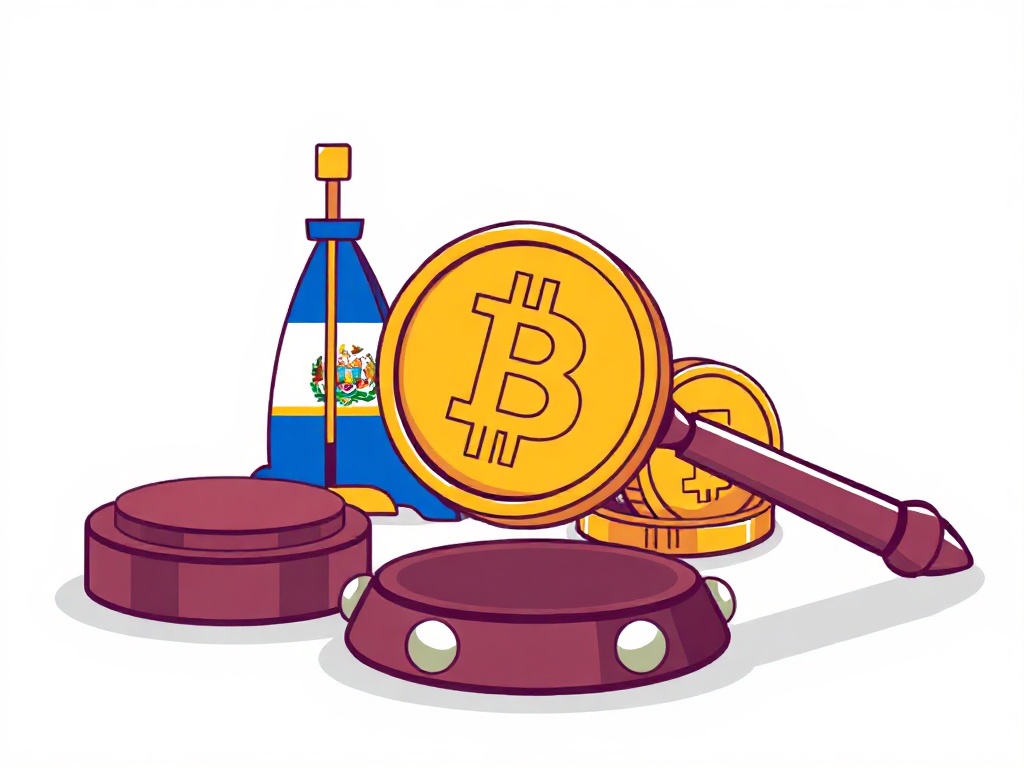
El Salvador made global headlines in 2021 when it became the first country in the world to adopt Bitcoin as legal tender. This bold move was aimed at boosting financial inclusion, reducing remittance costs, and attracting investment. However, with the integration of Bitcoin into the national economy comes the critical responsibility of ensuring compliance with Anti-Money Laundering (AML) regulations. In this comprehensive guide, we explore the AML landscape in El Salvador, the specific requirements under the Bitcoin law, and how businesses and individuals can conduct an effective AML check to remain compliant.
The legal framework surrounding Bitcoin in El Salvador is not just about technological adoption—it’s also about safeguarding the financial system from illicit activities. As digital currencies gain traction, regulators worldwide are tightening AML controls. El Salvador’s approach reflects a balance between innovation and security, making it essential for stakeholders to understand their obligations under the AML check El Salvador Bitcoin law.
El Salvador’s Bitcoin Law: Overview and Key Provisions
Enacted on June 9, 2021, Decree No. 57, also known as the "Bitcoin Law," officially recognized Bitcoin as legal tender alongside the U.S. dollar. The law mandates that all businesses must accept Bitcoin for goods and services, and the government launched the Chivo Wallet to facilitate transactions. While the law promotes financial freedom, it also introduces new compliance challenges, particularly in the realm of AML.
Purpose of the Bitcoin Law
The primary objectives of the Bitcoin Law include:
- Financial Inclusion: Providing access to banking services for the unbanked population.
- Cost Reduction: Lowering the cost of remittances, which are a vital part of El Salvador’s economy.
- Economic Growth: Attracting foreign investment and fostering innovation in fintech.
- Monetary Sovereignty: Reducing reliance on the U.S. dollar and exploring alternative financial systems.
While these goals are commendable, they also necessitate robust AML frameworks to prevent misuse of the cryptocurrency ecosystem.
Regulatory Bodies Overseeing Compliance
Several institutions in El Salvador play a role in enforcing AML regulations related to Bitcoin:
- Central Reserve Bank of El Salvador (BCR): The primary regulator responsible for overseeing monetary policy and financial stability.
- Financial Intelligence Unit (UIF): The agency tasked with detecting and preventing money laundering and terrorist financing.
- Superintendency of the Financial System (SSF): Regulates banks and financial institutions, including those dealing with cryptocurrencies.
- National Bitcoin Office: Established to promote Bitcoin adoption and provide guidance on regulatory compliance.
These bodies work in tandem to ensure that the Bitcoin ecosystem operates within a secure and transparent framework.
The Importance of AML Checks in El Salvador’s Bitcoin Economy
Money laundering poses a significant threat to any financial system, and cryptocurrencies are particularly vulnerable due to their pseudonymous nature. In El Salvador, where Bitcoin is legal tender, the risk of illicit financial flows is amplified. An AML check is not just a legal requirement—it’s a safeguard for the integrity of the financial system.
Why AML Compliance Matters
Conducting thorough AML checks helps to:
- Prevent Financial Crime: Detect and deter activities such as drug trafficking, corruption, and fraud.
- Protect Businesses: Shield companies from legal penalties, reputational damage, and financial losses.
- Ensure Consumer Trust: Build confidence among users and investors in the legitimacy of Bitcoin transactions.
- Align with International Standards: Comply with recommendations from the Financial Action Task Force (FATF) and other global bodies.
El Salvador’s commitment to AML compliance demonstrates its dedication to fostering a secure and sustainable Bitcoin economy.
Risks of Non-Compliance
Failure to adhere to AML regulations can result in severe consequences, including:
- Heavy Fines: Regulatory authorities may impose substantial penalties on non-compliant entities.
- License Revocation: Businesses may lose their operating licenses, halting their operations.
- Reputational Damage: Negative publicity can erode customer trust and deter investment.
- Criminal Liability: Individuals involved in money laundering may face imprisonment.
Given these risks, conducting a robust AML check is not optional—it’s a necessity for any entity operating within El Salvador’s Bitcoin ecosystem.
Key AML Requirements Under El Salvador’s Bitcoin Law
To ensure compliance with the AML check El Salvador Bitcoin law, businesses and individuals must adhere to specific regulatory requirements. These obligations are designed to mitigate risks associated with cryptocurrency transactions.
Customer Due Diligence (CDD)
Customer Due Diligence is a cornerstone of AML compliance. It involves verifying the identity of customers and assessing their risk profiles. Under El Salvador’s regulations, businesses must implement the following CDD measures:
- Identity Verification: Collect and verify government-issued identification documents, such as passports or national ID cards.
- Know Your Customer (KYC): Gather information about the customer’s occupation, source of funds, and transaction history.
- Risk Assessment: Classify customers based on their risk level (low, medium, or high) to tailor monitoring efforts.
- Ongoing Monitoring: Continuously review customer transactions to detect suspicious activities.
For Bitcoin businesses, such as exchanges and wallet providers, CDD is mandatory for all transactions exceeding a certain threshold, typically set by the UIF.
Transaction Monitoring and Reporting
Businesses must implement systems to monitor transactions in real-time and flag any unusual or suspicious activities. The AML check El Salvador Bitcoin law requires the following:
- Suspicious Activity Reports (SARs): File reports with the UIF if a transaction appears suspicious, such as large cash deposits or rapid transfers between unrelated parties.
- Threshold Monitoring: Track transactions that exceed predefined limits, which may indicate money laundering.
- Automated Alerts: Use software tools to generate alerts for transactions that deviate from a customer’s typical behavior.
Prompt reporting of suspicious activities is critical to preventing financial crimes and maintaining compliance.
Record-Keeping Obligations
El Salvador’s AML regulations mandate that businesses maintain detailed records of transactions and customer information. These records must be retained for a minimum of five years and include:
- Customer identification documents.
- Transaction details, including amounts, dates, and counterparties.
- Copies of reports filed with the UIF.
- Internal audit trails and risk assessments.
Proper record-keeping ensures transparency and facilitates regulatory inspections.
Steps to Conduct an Effective AML Check in El Salvador
Performing an AML check involves a systematic approach to identify and mitigate risks associated with Bitcoin transactions. Below is a step-by-step guide to conducting an effective AML check under El Salvador’s Bitcoin law.
Step 1: Identify High-Risk Transactions
Not all transactions pose the same level of risk. Businesses should prioritize monitoring high-risk activities, such as:
- Large Transactions: Transactions exceeding $10,000 or equivalent in Bitcoin.
- Cross-Border Transfers: Payments involving foreign entities or jurisdictions with weak AML controls.
- Anonymous Transactions: Transactions that obscure the identities of the sender or receiver.
- Rapid Movement of Funds: Multiple transactions in a short period that lack a clear economic purpose.
By identifying these red flags, businesses can focus their AML efforts where they are most needed.
Step 2: Implement Robust KYC Procedures
Know Your Customer (KYC) is the foundation of AML compliance. To conduct a thorough KYC process:
- Collect Information: Gather basic details such as name, address, and date of birth.
- Verify Identity: Use government databases or third-party services to confirm the customer’s identity.
- Assess Risk: Evaluate the customer’s risk profile based on factors like occupation, transaction history, and geographic location.
- Ongoing Monitoring: Regularly update customer information and reassess risk levels.
For Bitcoin businesses, integrating KYC into onboarding processes is essential to comply with the AML check El Salvador Bitcoin law.
Step 3: Use AML Software and Tools
Manual monitoring is time-consuming and prone to errors. Leveraging AML software can enhance efficiency and accuracy. Popular tools include:
- Chainalysis: Provides blockchain analysis to track suspicious transactions.
- Elliptic: Offers real-time monitoring and risk scoring for cryptocurrency transactions.
- Scorechain: Specializes in compliance solutions for digital assets.
- Local AML Solutions: Some providers offer tools tailored to El Salvador’s regulatory environment.
These platforms can automate the detection of suspicious activities and generate reports for regulatory authorities.
Step 4: Train Employees on AML Compliance
Human error is a common cause of AML failures. To mitigate this risk:
- Conduct Regular Training: Educate employees on AML laws, red flags, and reporting procedures.
- Simulate Scenarios: Use case studies to help staff recognize suspicious activities.
- Assign Compliance Officers: Designate individuals responsible for overseeing AML efforts.
- Stay Updated: Keep abreast of changes in AML regulations and industry best practices.
A well-trained team is your first line of defense against money laundering.
Step 5: Report Suspicious Activities
If a transaction appears suspicious, businesses must file a report with the UIF. The process typically involves:
- Document the Activity: Record details of the suspicious transaction, including dates, amounts, and parties involved.
- Submit a SAR: File a Suspicious Activity Report with the UIF within the required timeframe (usually within 24-48 hours).
- Cooperate with Authorities: Provide additional information or documentation if requested by regulators.
Timely reporting is crucial to preventing financial crimes and demonstrating compliance with the AML check El Salvador Bitcoin law.
Challenges and Solutions in AML Compliance for Bitcoin Businesses
While El Salvador’s Bitcoin law presents exciting opportunities, it also introduces unique challenges for AML compliance. Understanding these challenges—and how to address them—is key to maintaining a secure and compliant operation.
Challenge 1: Pseudonymity of Bitcoin Transactions
Bitcoin’s decentralized nature and pseudonymity make it difficult to trace transactions. Unlike traditional banking, where identities are linked to accounts, Bitcoin addresses do not inherently reveal the identity of the user. This anonymity can be exploited for illicit purposes.
Solution: Implement advanced blockchain analytics tools to trace transactions and identify suspicious patterns. Tools like Chainalysis and Elliptic can help link Bitcoin addresses to real-world identities, enhancing transparency.
Challenge 2: Cross-Border Transactions
El Salvador’s Bitcoin economy is not isolated—it interacts with global markets. Cross-border transactions can complicate AML compliance, especially when dealing with jurisdictions with weaker regulations.
Solution: Conduct enhanced due diligence for transactions involving high-risk countries. Collaborate with international AML networks and share information with foreign regulators to ensure comprehensive oversight.
Challenge 3: Rapid Technological Advancements
The cryptocurrency landscape evolves quickly, with new technologies and services emerging regularly. Keeping up with these changes can be daunting for compliance teams.
Solution: Invest in continuous training and adopt agile compliance frameworks that can adapt to technological shifts. Partner with fintech companies that specialize in AML solutions for digital assets.
Challenge 4: Limited Regulatory Clarity
While El Salvador has made strides in regulating Bitcoin, some aspects of the law remain ambiguous. Businesses may struggle to interpret their obligations, particularly in areas like decentralized finance (DeFi) and non-custodial wallets.
Solution: Engage with regulatory bodies, such as the UIF and the National Bitcoin Office, to seek clarification. Participate in industry forums and consultations to stay informed about evolving regulations.
Challenge 5: Resource Constraints
Small and medium-sized businesses may lack the resources to implement robust AML programs. Compliance can be costly, especially for startups in the Bitcoin space.
Solution: Prioritize high-risk areas and leverage cost-effective AML tools. Outsource compliance functions to third-party providers if necessary, and seek government incentives for fintech innovation.
Case Studies: AML Enforcement in El Salvador’s Bitcoin Ecosystem
Examining real-world cases provides valuable insights into how AML regulations are enforced in El Salvador’s Bitcoin economy. These examples highlight the importance of compliance and the consequences of non-compliance.
Case Study 1: Chivo Wallet and Regulatory Scrutiny
Shortly after the launch of the Chivo Wallet, reports emerged of users exploiting the platform for illicit activities, including money laundering. The UIF and SSF launched investigations into potential breaches of AML regulations.
Outcome: The government enhanced monitoring of Chivo Wallet transactions and implemented stricter KYC procedures. This case underscored the need for robust AML checks in government-backed Bitcoin initiatives.
Case Study 2: Cryptocurrency Exchange Compliance Failures
A local cryptocurrency exchange in El Salvador was found to have inadequate AML controls, allowing users to conduct transactions without proper identity verification. The exchange failed to file Suspicious Activity Reports (SARs) for high-risk transactions.
Outcome: The SSF imposed a hefty fine on the exchange and mandated a comprehensive AML overhaul. The case served as a warning to other businesses about the importance of compliance.
Case Study 3: International Money Laundering Ring
In 2022, authorities in El Salvador and the United States uncovered a money laundering ring that used Bitcoin to move illicit funds across borders. The ring involved multiple exchanges and individuals who exploited the pseudonymous nature of Bitcoin to conceal their activities.
Outcome: Several individuals were arrested, and the exchanges involved faced regulatory penalties. The case highlighted the effectiveness of international cooperation in combating financial crimes.
These case studies demonstrate that AML compliance is not just a theoretical requirement—it has real-world implications for businesses and individuals operating in El Salvador’s Bitcoin economy.
Best Practices for Businesses to Ensure AML Compliance
To navigate the complexities of the AML check El Salvador Bitcoin law, businesses should adopt a proactive and comprehensive approach to compliance. Below are best practices to help organizations stay ahead of regulatory requirements.
Develop a Robust AML Policy
A well-defined AML policy serves as the foundation of compliance. Your policy should include:
- Clear Objectives: Define the purpose of the AML program and its alignment with regulatory requirements.
- Roles and Responsibilities: Assign specific duties to compliance officers, senior management, and employees.
- Risk Assessment Framework: Outline how risks will be identified, assessed, and mitigated.
- Reporting Procedures: Detail the process for filing SARs and other regulatory reports.
- Training Programs: Describe how employees will be trained on AML compliance.
A comprehensive AML policy ensures consistency and accountability across the organization.
Leverage Technology for Compliance
Technology plays a crucial role in modern AML compliance. Consider implementing the following solutions:
- Automated KYC/AML Software: Use tools that streamline identity verification and risk assessment.
- Blockchain Analytics: Deploy platforms that analyze Bitcoin transactions for suspicious patterns.
- AI and Machine Learning:
 David ChenDigital Assets Strategist
Understanding AML Check Requirements Under El Salvador's Bitcoin Law: A Strategic Perspective
As a digital assets strategist with a background in both traditional finance and cryptocurrency markets, I’ve closely monitored El Salvador’s pioneering Bitcoin Law and its implications for anti-money laundering (AML) compliance. The country’s adoption of Bitcoin as legal tender in 2021 was a landmark moment, but it also introduced complex regulatory challenges—particularly around AML checks. While El Salvador’s framework aims to balance innovation with financial integrity, the effectiveness of its AML protocols remains a subject of scrutiny. From a practical standpoint, exchanges and financial institutions operating in or interacting with El Salvador must prioritize robust KYC (Know Your Customer) and transaction monitoring systems to mitigate risks associated with illicit finance. The integration of Bitcoin into the formal economy demands more than just technological adoption; it requires a proactive approach to compliance that aligns with global standards like FATF’s Travel Rule.
El Salvador’s Bitcoin Law mandates that all transactions, including those involving the Chivo Wallet, undergo AML checks, but the execution remains uneven. My analysis of on-chain data suggests that while the government has implemented basic screening measures, gaps persist in real-time monitoring and cross-border coordination. For businesses, this means adopting layered compliance solutions—such as blockchain analytics tools and automated reporting mechanisms—to ensure adherence to both local and international AML regulations. The law’s intent is clear: to position El Salvador as a forward-thinking hub for digital assets while deterring financial crime. However, success hinges on continuous refinement of AML frameworks, particularly as Bitcoin adoption scales. Investors and operators must treat compliance not as an afterthought but as a core pillar of their strategy in El Salvador’s evolving financial ecosystem.