In today’s rapidly evolving financial landscape, the integration of Anti-Money Laundering (AML) compliance with market integrity measures has become essential to safeguarding investors and maintaining trust in global capital markets. One of the most insidious threats to market fairness and transparency is the pump and dump scheme—a form of market manipulation that can be exacerbated by inadequate AML controls. This article explores the intersection of AML check protocols and the detection of pump and dump activities, offering a comprehensive guide for financial institutions, regulators, and investors alike.
As digital assets and traditional equities become increasingly intertwined, the risk of coordinated manipulation has grown. AML check pump and dump strategies are not only illegal but also undermine market confidence and can lead to significant financial losses for unsuspecting participants. By understanding how these schemes operate and implementing robust AML frameworks, stakeholders can better protect themselves and contribute to a fairer trading environment.
---The Rise of Pump and Dump Schemes in Modern Markets
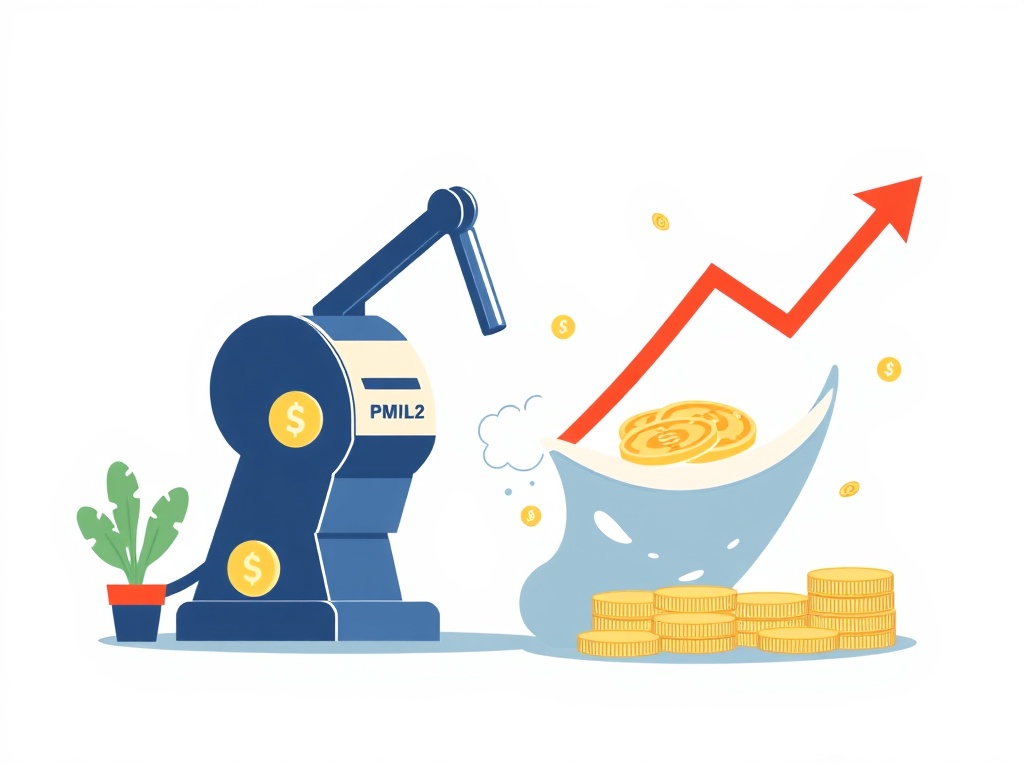
Pump and dump schemes have existed for decades, but their prevalence has surged with the advent of online trading platforms, social media, and cryptocurrency markets. These schemes typically involve the artificial inflation of an asset’s price through misleading statements or coordinated buying, followed by a rapid sell-off by the orchestrators once the price peaks.
How Pump and Dump Schemes Operate
A classic pump and dump cycle unfolds in several stages:
- Accumulation: Perpetrators quietly purchase large quantities of a low-volume or illiquid asset.
- Promotion: Using social media, forums, or paid influencers, they spread exaggerated claims about the asset’s potential, often citing "insider information" or "hidden catalysts."
- Pumping: Retail investors, lured by the hype, begin buying the asset, driving up its price.
- Dumping: The orchestrators sell their holdings at the inflated price, causing the asset’s value to plummet and leaving latecomers with significant losses.
While traditional pump and dump schemes were common in penny stocks, the rise of cryptocurrencies—particularly those with low liquidity and minimal regulatory oversight—has provided fertile ground for these manipulations. In 2021 alone, the U.S. Securities and Exchange Commission (SEC) charged multiple individuals for orchestrating crypto-based pump and dump schemes, resulting in millions of dollars in penalties.
Why AML Checks Are Critical in Detecting Pump and Dump Activity
Anti-Money Laundering (AML) checks are designed to identify suspicious financial behavior, including market manipulation. While AML protocols traditionally focus on illicit fund flows and terrorist financing, their application in detecting pump and dump schemes is increasingly recognized as vital. Here’s why:
- Transaction Monitoring: AML systems analyze trading patterns for anomalies, such as sudden spikes in volume or price movements that correlate with social media hype.
- Beneficial Ownership Tracking: By identifying the true owners behind trading accounts, AML checks can uncover coordinated efforts by groups operating under multiple aliases.
- Suspicious Activity Reporting (SAR): Financial institutions are required to file SARs when they detect potential market manipulation, including pump and dump behavior.
Without robust AML checks, pump and dump schemes can go undetected, allowing manipulators to profit at the expense of retail investors. As such, integrating AML monitoring with market surveillance tools has become a best practice for exchanges and brokerages.
---The Role of AML Compliance in Combating Market Manipulation
Financial institutions are legally obligated to implement AML programs that include customer due diligence (CDD), transaction monitoring, and reporting mechanisms. These programs are not only designed to prevent money laundering but also play a crucial role in identifying market abuse, including pump and dump schemes.
Key AML Requirements for Market Integrity
Regulatory bodies such as the Financial Action Task Force (FATF), the Financial Conduct Authority (FCA), and the U.S. Financial Crimes Enforcement Network (FinCEN) have issued guidelines that emphasize the importance of AML checks in detecting market manipulation. Key requirements include:
- Know Your Customer (KYC): Financial institutions must verify the identity of clients and assess their risk profiles. This helps identify individuals or entities with a history of manipulative trading.
- Enhanced Due Diligence (EDD): For high-risk clients, such as those trading in low-liquidity assets or using multiple accounts, EDD measures are necessary to uncover potential collusion.
- Suspicious Transaction Monitoring: AML systems must flag transactions that exhibit unusual patterns, such as rapid, coordinated buys followed by coordinated sells.
- Record-Keeping: Institutions must maintain detailed records of transactions and communications that could be relevant to market manipulation investigations.
Case Study: AML Checks Uncovering a Crypto Pump and Dump
In 2022, a major cryptocurrency exchange detected a coordinated pump and dump scheme targeting a low-cap altcoin. The AML team noticed an unusual pattern: multiple accounts, linked through shared IP addresses and device fingerprints, were rapidly accumulating the asset while simultaneously promoting it on social media. The exchange froze the accounts and filed an SAR with FinCEN, leading to a coordinated enforcement action by regulators. This case highlights how AML checks can serve as an early warning system for market manipulation.
The Limitations of AML in Detecting Pump and Dump Schemes
While AML checks are invaluable, they are not foolproof. Several challenges persist:
- Anonymity in Cryptocurrency: The pseudonymous nature of blockchain transactions makes it difficult to trace the true identities behind manipulative trades.
- Sophisticated Layering Techniques: Manipulators may use mixers, privacy coins, or decentralized exchanges to obscure their activities.
- Regulatory Arbitrage: Some jurisdictions have weaker AML enforcement, allowing pump and dump schemes to thrive in unregulated markets.
- False Positives: AML systems may generate alerts for legitimate trading strategies, requiring manual review and increasing operational costs.
To address these limitations, financial institutions are increasingly adopting advanced technologies such as artificial intelligence (AI) and machine learning (ML) to enhance their AML detection capabilities. These tools can analyze vast datasets in real time, identifying subtle patterns that traditional systems might miss.
---Regulatory Frameworks and Enforcement Actions Against Pump and Dump Schemes
Regulators worldwide have intensified their efforts to combat pump and dump schemes, recognizing their detrimental impact on market integrity. The intersection of AML regulations and market manipulation laws has led to more robust enforcement actions and stricter penalties for offenders.
Global Regulatory Responses
Different jurisdictions have adopted varying approaches to addressing pump and dump schemes, often in conjunction with AML requirements:
United States
The U.S. has some of the most stringent regulations governing market manipulation, including:
- Securities Exchange Act of 1934: Prohibits manipulative practices in securities markets, including pump and dump schemes.
- Dodd-Frank Act: Enhanced the Commodity Futures Trading Commission’s (CFTC) authority to prosecute manipulation in commodities and derivatives markets.
- Bank Secrecy Act (BSA): Requires financial institutions to implement AML programs that include monitoring for suspicious trading activities.
In recent years, the SEC and CFTC have levied multi-million-dollar fines against individuals and entities involved in crypto-related pump and dump schemes. For example, in 2023, the SEC charged 11 individuals for orchestrating a $144 million pump and dump scheme involving a microcap stock, with AML evidence playing a key role in the investigation.
European Union
The EU’s Fifth and Sixth Anti-Money Laundering Directives (5AMLD and 6AMLD) have expanded AML obligations to include virtual asset service providers (VASPs) and strengthened penalties for market manipulation. Key measures include:
- Market Abuse Regulation (MAR): Prohibits insider trading and market manipulation, including pump and dump schemes.
- Transparency Directive: Enhances disclosure requirements for issuers, reducing the likelihood of deceptive promotions.
- AMLD6: Mandates stricter due diligence and beneficial ownership transparency for financial institutions.
The European Securities and Markets Authority (ESMA) has also issued guidelines for national competent authorities to detect and investigate pump and dump activities, particularly in crypto markets.
Asia-Pacific Region
Countries like Singapore, Japan, and South Korea have implemented stringent AML and market manipulation laws:
- Monetary Authority of Singapore (MAS): Requires digital payment token service providers to conduct AML checks and report suspicious transactions.
- Japan Financial Services Agency (FSA): Mandates strict KYC and AML compliance for cryptocurrency exchanges, with a focus on detecting market abuse.
- China’s Cyberspace Administration: Has banned crypto trading and initial coin offerings (ICOs), significantly reducing pump and dump risks in domestic markets.
Notable Enforcement Actions and Their Impact
Several high-profile cases have demonstrated the consequences of pump and dump schemes and the role of AML checks in their detection:
- BitConnect Case (2018): The SEC charged BitConnect and its promoters with operating a $2.6 billion Ponzi scheme disguised as a lending platform. AML evidence revealed that funds from retail investors were being used to manipulate the price of BitConnect’s token (BCC). The case underscored the need for AML checks in crypto markets.
- PlexCoin Case (2017):
- The SEC halted an ICO for PlexCoin after discovering that its promoters had falsely claimed regulatory approval and used deceptive marketing tactics. AML investigations revealed that funds were being laundered through multiple accounts, leading to criminal charges.
- Wall Street Bets Pump and Dump (2021): While not a traditional pump and dump, the coordinated buying of GameStop (GME) stock by retail investors on Reddit highlighted the risks of market manipulation in the digital age. Regulators emphasized the need for enhanced surveillance and AML checks to prevent coordinated abuse.
These cases illustrate that pump and dump schemes are not confined to traditional markets—they thrive in unregulated or lightly regulated environments, making AML checks indispensable for maintaining market integrity.
---Technological Innovations: AI, Blockchain, and AML Check Pump and Dump Detection
The fight against pump and dump schemes is increasingly being waged with cutting-edge technology. Financial institutions and regulators are leveraging artificial intelligence, blockchain analytics, and real-time monitoring tools to detect and prevent manipulation before it causes widespread damage.
Artificial Intelligence and Machine Learning in AML
AI and ML are transforming AML compliance by enabling institutions to analyze vast amounts of data with unprecedented speed and accuracy. Key applications include:
Pattern Recognition
AI algorithms can identify subtle patterns in trading behavior that may indicate a pump and dump scheme, such as:
- Sudden spikes in trading volume without corresponding news or fundamentals.
- Correlation between social media mentions and price movements.
- Unusual trading patterns among accounts with shared characteristics (e.g., same IP address, device, or funding source).
Natural Language Processing (NLP)
NLP tools analyze social media posts, news articles, and forum discussions to detect hype campaigns that may precede a pump and dump. For example, an AI system might flag a surge in Twitter mentions of a low-liquidity stock as a potential red flag for manipulation.
Predictive Analytics
ML models can predict the likelihood of a pump and dump scheme based on historical data, allowing institutions to take preemptive action. For instance, if an asset has a history of sudden price surges followed by crashes, the system may flag it for enhanced monitoring.
Blockchain Analytics and AML
Blockchain technology, while often associated with illicit activities, is also a powerful tool for detecting pump and dump schemes in crypto markets. Blockchain analytics firms such as Chainalysis, CipherTrace, and Elliptic provide solutions that:
Track Fund Flows
By analyzing on-chain transactions, these tools can trace the movement of funds from wallets associated with known manipulators to exchanges where the dump occurs. This helps identify the orchestrators behind a scheme.
Identify Wash Trading
Wash trading—where a trader buys and sells the same asset to create artificial volume—is a common tactic in pump and dump schemes. Blockchain analytics can detect wash trades by identifying transactions between wallets controlled by the same entity.
Monitor Exchange Activity
Some analytics platforms monitor exchange order books and trade histories to detect coordinated buying or selling patterns that may indicate manipulation. For example, a sudden influx of buy orders from multiple accounts linked to the same IP address could signal a pump and dump in progress.
Real-Time Surveillance Systems
Exchanges and financial institutions are deploying real-time surveillance systems that integrate AML checks with market surveillance tools. These systems:
- Monitor trades, orders, and communications in real time.
- Flag suspicious activities for immediate review by compliance teams.
- Automatically generate alerts for regulators when manipulation is detected.
For example, the Nasdaq Surveillance system uses AI to detect market manipulation across equities, options, and futures markets, while crypto exchanges like Binance and Coinbase employ similar tools to monitor for pump and dump activities.
The Future of AML Check Pump and Dump Detection
As pump and dump schemes evolve, so too must the technologies used to combat them. Emerging trends include:
- Decentralized AML (DeAML): Blockchain-based AML solutions that enable cross-border collaboration between institutions and regulators without the need for intermediaries.
- Quantum Computing: While still in its infancy, quantum computing could revolutionize AML by enabling faster and more accurate analysis of complex transaction networks.
- Regulatory Sandboxes: Some jurisdictions are experimenting with regulatory sandboxes that allow fintech firms to test innovative AML and surveillance tools in a controlled environment.
- Cross-Market Data Sharing: Enhanced collaboration between traditional financial markets and crypto markets to detect manipulation that spans multiple asset classes.
Best Practices for Financial Institutions and Investors to Mitigate Pump and Dump Risks
Preventing pump and dump schemes requires a multi-faceted approach involving financial institutions, regulators, and investors. By adopting best practices and staying informed, stakeholders can reduce their exposure to manipulation and contribute to a fairer market environment.
For Financial Institutions and Exchanges
1. Implement Robust AML and Market Surveillance Programs
Financial institutions should integrate AML checks with market surveillance tools to detect suspicious trading patterns in real time. Key steps include:
- Deploying AI-driven transaction monitoring systems.
- Conducting regular audits of trading accounts to identify potential collusion.
- Training staff to recognize red flags, such as sudden price surges without fundamental justification.
2. Enhance Customer Due Diligence (CDD) and Know Your Customer (KYC) Processes
Strengthening CDD and KYC measures can help identify high-risk clients and prevent manipulators from accessing trading platforms. Best practices include:
- Verifying the identity of clients using government-issued IDs and biometric data.
- Monitoring for shell companies, nominees, or other structures used to conceal beneficial ownership.
- Implementing continuous monitoring for changes in client behavior or risk profiles.
3. Collaborate with Regulators and Industry Peers
Financial institutions should actively engage with regulators and industry associations to share intelligence on emerging threats. Initiatives include:
- Participating in regulatory sandboxes to test innovative AML and surveillance tools.
- Joining industry groups such as the Financial Action Task Force (FATF) or the Global Digital Finance (GDF) to stay updated on best practices.
- Sharing suspicious activity reports (SARs) with regulators to support enforcement actions.
4. Educate Clients on Market Risks
Exchanges and brokerages should provide educational resources to help clients recognize and avoid pump and dump schemes. This includes:
- Publishing guides on identifying red flags, such as unsolicited investment advice or exaggerated claims.
- Offering webinars or workshops on market integrity and the risks of manipulation.
- Encouraging clients to report suspicious activities to the exchange or regulator.
For Investors and Retail Traders
1. Conduct
 Robert Hayes
DeFi & Web3 Analyst
Robert Hayes
DeFi & Web3 Analyst
As a DeFi and Web3 analyst with deep expertise in decentralized finance protocols, I’ve observed that "AML check pump and dump" schemes represent one of the most insidious threats to market integrity in the crypto ecosystem. These manipulative practices exploit weak or nonexistent anti-money laundering (AML) controls to artificially inflate token prices before dumping them on unsuspecting retail investors. Unlike traditional pump-and-dump schemes, crypto versions often leverage decentralized exchanges (DEXs) and privacy-focused tokens to obscure transaction trails, making detection and enforcement notoriously difficult. From my research, I’ve seen how these operations frequently target low-liquidity altcoins, where a coordinated group of buyers—often using multiple wallets—can rapidly drive up prices before exiting en masse. The lack of robust AML checks in many DeFi platforms exacerbates the problem, as malicious actors exploit the pseudonymous nature of blockchain transactions to evade oversight.
Practical solutions to mitigate "AML check pump and dump" schemes must combine on-chain analytics with proactive compliance measures. First, DeFi protocols should integrate real-time transaction monitoring tools that flag suspicious volume spikes, wallet clustering, and rapid price movements—hallmarks of coordinated manipulation. Second, liquidity providers and yield farmers must prioritize tokens with transparent tokenomics and active community governance, as these are less susceptible to sudden, orchestrated pumps. Finally, regulators and blockchain forensics firms should collaborate to develop standardized AML frameworks for DeFi, including mandatory wallet screening and reporting requirements for high-risk transactions. Without these safeguards, the proliferation of "AML check pump and dump" schemes will continue to erode trust in decentralized markets, undermining the long-term viability of Web3 innovation.
As a DeFi and Web3 analyst with deep expertise in decentralized finance protocols, I’ve observed that "AML check pump and dump" schemes represent one of the most insidious threats to market integrity in the crypto ecosystem. These manipulative practices exploit weak or nonexistent anti-money laundering (AML) controls to artificially inflate token prices before dumping them on unsuspecting retail investors. Unlike traditional pump-and-dump schemes, crypto versions often leverage decentralized exchanges (DEXs) and privacy-focused tokens to obscure transaction trails, making detection and enforcement notoriously difficult. From my research, I’ve seen how these operations frequently target low-liquidity altcoins, where a coordinated group of buyers—often using multiple wallets—can rapidly drive up prices before exiting en masse. The lack of robust AML checks in many DeFi platforms exacerbates the problem, as malicious actors exploit the pseudonymous nature of blockchain transactions to evade oversight.
Practical solutions to mitigate "AML check pump and dump" schemes must combine on-chain analytics with proactive compliance measures. First, DeFi protocols should integrate real-time transaction monitoring tools that flag suspicious volume spikes, wallet clustering, and rapid price movements—hallmarks of coordinated manipulation. Second, liquidity providers and yield farmers must prioritize tokens with transparent tokenomics and active community governance, as these are less susceptible to sudden, orchestrated pumps. Finally, regulators and blockchain forensics firms should collaborate to develop standardized AML frameworks for DeFi, including mandatory wallet screening and reporting requirements for high-risk transactions. Without these safeguards, the proliferation of "AML check pump and dump" schemes will continue to erode trust in decentralized markets, undermining the long-term viability of Web3 innovation.