In today's rapidly evolving digital landscape, financial institutions face an ever-growing array of threats, with phishing attacks and money laundering emerging as two of the most pervasive risks. The convergence of these threats—where cybercriminals use phishing to steal funds that are then laundered through complex financial networks—has created a critical challenge for compliance teams. This guide explores the intersection of Anti-Money Laundering (AML) checks and the detection of phishing proceeds, offering actionable insights for institutions seeking to fortify their defenses.
As regulatory scrutiny intensifies and financial crimes become more sophisticated, understanding how to identify and prevent AML check phishing proceeds is no longer optional—it's a necessity. This article delves into the mechanisms of phishing-facilitated money laundering, the role of AML checks in mitigating these risks, and best practices for implementing robust detection and prevention strategies.
---What Are AML Check Phishing Proceeds?
The Intersection of Phishing and Money Laundering
Phishing is a cybercrime tactic where attackers impersonate legitimate entities to deceive individuals into revealing sensitive information, such as login credentials, credit card details, or personal identification numbers. Once obtained, this information is often used to initiate unauthorized transactions, which are then funneled through various channels to obscure their illicit origins. These stolen funds, when processed through financial systems, become phishing proceeds—funds derived from fraudulent activities that must be laundered to appear legitimate.
Money laundering, in this context, involves a series of steps designed to disguise the true source of illicit funds. The process typically includes three stages:
- Placement: Introducing the illicit funds into the financial system (e.g., through small deposits or purchases).
- Layering: Conducting complex transactions to obscure the audit trail (e.g., transferring funds between accounts, using shell companies, or converting cash into other assets).
- Integration: Reintegrating the laundered funds into the legitimate economy (e.g., through investments, real estate purchases, or business operations).
When phishing is the initial crime, the proceeds are often moved quickly through multiple accounts to avoid detection. Financial institutions must implement AML check phishing proceeds protocols to identify these suspicious patterns and prevent the integration of illicit funds into the broader financial ecosystem.
Why AML Checks Are Critical for Detecting Phishing Proceeds
Traditional AML checks are designed to monitor transactions for signs of money laundering, but they must be adapted to address the unique challenges posed by phishing. Unlike traditional money laundering, which may involve large, irregular transactions, phishing proceeds often involve smaller, frequent transfers that mimic legitimate behavior. This makes them harder to detect without advanced analytical tools and a deep understanding of emerging fraud trends.
Key reasons why AML check phishing proceeds are essential include:
- Rapid Transaction Velocity: Phishing proceeds are often moved quickly across multiple accounts to minimize the risk of detection.
- Disguised Transaction Patterns: Criminals use techniques like structuring (smurfing) to break large sums into smaller, less suspicious amounts.
- Use of Mule Accounts: Fraudsters recruit unwitting individuals (money mules) to open accounts and facilitate the movement of illicit funds.
- Cross-Border Complexity: Phishing proceeds may be laundered across international borders, leveraging differences in regulatory frameworks and banking systems.
By integrating specialized AML check phishing proceeds tools and methodologies, financial institutions can enhance their ability to detect and disrupt these illicit activities before funds are fully integrated into the legitimate economy.
---The Role of Phishing in Facilitating Money Laundering
How Phishing Attacks Generate Illicit Proceeds
Phishing attacks are a primary vector for generating illicit proceeds, as they allow criminals to gain unauthorized access to financial accounts, corporate systems, or personal data. The proceeds from these attacks can take several forms, including:
- Direct Theft: Funds are immediately withdrawn from compromised accounts or used to make unauthorized purchases.
- Credential Theft: Stolen login details are sold on the dark web or used to access additional accounts, amplifying the scope of the fraud.
- Business Email Compromise (BEC): Attackers impersonate executives or vendors to trick employees into transferring funds to fraudulent accounts.
- Cryptocurrency Theft: Cryptocurrency wallets and exchanges are targeted, with stolen digital assets often laundered through mixing services or tumblers.
Once these illicit funds are obtained, criminals must launder them to avoid detection by financial institutions and law enforcement. This is where AML check phishing proceeds becomes crucial, as it enables institutions to trace the flow of funds and identify suspicious activities that may indicate money laundering.
Common Phishing Techniques Used to Launder Funds
Cybercriminals employ a variety of phishing techniques to generate and launder proceeds. Understanding these methods is essential for developing effective AML check phishing proceeds strategies. Some of the most prevalent techniques include:
1. Spear Phishing and Whaling
Spear phishing targets specific individuals or organizations, often using personalized emails that appear to come from trusted sources. Whaling is a subset of spear phishing that focuses on high-profile targets, such as executives or board members. Once credentials are obtained, attackers can initiate large transfers or gain access to corporate accounts, which are then used to launder funds.
2. Clone Phishing
In clone phishing, attackers create a nearly identical copy of a legitimate email, often replacing links or attachments with malicious versions. These emails may appear to come from a trusted contact, such as a bank or service provider, and are used to trick recipients into revealing sensitive information or initiating unauthorized transactions.
3. Pharming
Pharming involves redirecting users from legitimate websites to fraudulent ones without their knowledge. This is typically achieved by exploiting vulnerabilities in DNS servers or using malware to modify a user's host file. Once on the fraudulent site, victims may unknowingly enter their credentials or financial information, which is then used to facilitate money laundering.
4. Social Engineering Scams
Social engineering scams rely on psychological manipulation to deceive victims into transferring funds or revealing sensitive information. Common tactics include posing as a customer service representative, a law enforcement officer, or a romantic interest. These scams often target vulnerable individuals, such as the elderly or those experiencing financial difficulties, and can generate significant proceeds that require laundering.
5. Cryptocurrency Phishing
With the rise of cryptocurrencies, phishing attacks targeting digital wallets and exchanges have become increasingly common. Attackers may impersonate wallet providers or exchange platforms to trick users into revealing their private keys or sending funds to fraudulent addresses. The proceeds from these attacks are often laundered through cryptocurrency mixers or tumblers, which obfuscate the transaction trail.
By recognizing these phishing techniques, financial institutions can better tailor their AML check phishing proceeds protocols to detect and prevent the laundering of illicit funds.
---How AML Checks Can Detect Phishing Proceeds
The AML Framework for Identifying Suspicious Activities
Anti-Money Laundering (AML) frameworks are designed to detect and prevent the movement of illicit funds through financial systems. While traditional AML checks focus on large, irregular transactions, the detection of AML check phishing proceeds requires a more nuanced approach. Financial institutions must leverage a combination of technology, data analytics, and human expertise to identify suspicious patterns associated with phishing-facilitated money laundering.
The AML framework typically includes the following components:
- Customer Due Diligence (CDD): Verifying the identity of customers and assessing their risk profiles.
- Transaction Monitoring: Tracking and analyzing transactions to identify unusual or suspicious activities.
- Suspicious Activity Reporting (SAR): Filing reports with regulatory authorities when suspicious activities are detected.
- Risk Assessment: Evaluating the institution's exposure to money laundering risks and implementing mitigation strategies.
To effectively detect AML check phishing proceeds, institutions must enhance their AML frameworks with specialized tools and methodologies that account for the unique characteristics of phishing-related fraud.
Key Indicators of Phishing Proceeds in AML Checks
Identifying phishing proceeds within the broader context of money laundering requires a deep understanding of the red flags associated with these activities. Some of the most common indicators include:
1. Unusual Transaction Patterns
Phishing proceeds often exhibit unusual transaction patterns that deviate from a customer's typical behavior. These may include:
- Frequent small deposits or withdrawals that are inconsistent with the customer's income or spending habits.
- Rapid movement of funds between accounts, particularly if the accounts are newly opened or located in high-risk jurisdictions.
- Transactions involving high-risk sectors, such as gambling, cryptocurrency exchanges, or offshore banks.
- Use of multiple accounts or payment methods to obscure the source or destination of funds.
2. High-Risk Customer Profiles
Certain customer profiles are more likely to be involved in phishing-facilitated money laundering. These include:
- Money Mules: Individuals who unknowingly facilitate the movement of illicit funds, often recruited through job scams or romance scams.
- Shell Companies: Entities with no legitimate business operations that are used to launder funds.
- High-Risk Jurisdictions: Customers or transactions involving countries with weak AML regulations or known financial crime risks.
- Politically Exposed Persons (PEPs): Individuals with significant public influence who may be involved in corrupt activities.
3. Behavioral Red Flags
In addition to transactional indicators, behavioral red flags can also signal the presence of phishing proceeds. These may include:
- Customers who are unusually secretive about their financial activities or reluctant to provide requested documentation.
- Frequent changes to account details, such as addresses or contact information, to avoid detection.
- Use of encrypted communication channels or anonymizing tools to obscure activities.
- Customers who exhibit signs of distress or urgency when initiating transactions.
By incorporating these indicators into their AML check phishing proceeds protocols, financial institutions can enhance their ability to detect and disrupt illicit activities.
Technology and Tools for AML Check Phishing Proceeds
Advancements in technology have significantly improved the ability of financial institutions to detect and prevent money laundering, including the laundering of phishing proceeds. Some of the most effective tools and technologies include:
1. Artificial Intelligence and Machine Learning
AI and machine learning algorithms can analyze vast amounts of transaction data in real-time, identifying patterns and anomalies that may indicate phishing-facilitated money laundering. These tools can adapt to evolving fraud tactics and improve their detection capabilities over time.
2. Behavioral Biometrics
Behavioral biometrics analyze user interactions with digital platforms, such as typing speed, mouse movements, and navigation patterns. By establishing a baseline of "normal" behavior, these tools can detect deviations that may indicate fraudulent activity, such as account takeovers or unauthorized transactions.
3. Blockchain Analytics
Blockchain analytics tools can trace the flow of cryptocurrency transactions, identifying suspicious patterns such as mixing services, tumblers, or rapid movement between wallets. These tools are particularly useful for detecting the laundering of cryptocurrency proceeds from phishing attacks.
4. Sanctions and Watchlist Screening
Screening customers and transactions against sanctions lists, PEP databases, and other watchlists can help identify high-risk individuals or entities involved in phishing-facilitated money laundering. Automated screening tools can flag potential matches in real-time, enabling institutions to take appropriate action.
5. Network Analysis
Network analysis tools map the relationships between accounts, transactions, and entities, revealing hidden connections that may indicate money laundering. These tools can identify complex laundering schemes, such as the use of shell companies or mule accounts, and provide insights into the flow of phishing proceeds.
By leveraging these technologies, financial institutions can enhance their AML check phishing proceeds capabilities and stay ahead of evolving fraud tactics.
---Best Practices for Implementing AML Check Phishing Proceeds
Developing a Robust AML Compliance Program
To effectively detect and prevent the laundering of phishing proceeds, financial institutions must implement a comprehensive AML compliance program. This program should be tailored to the institution's specific risk profile and incorporate the following best practices:
1. Risk Assessment and Profiling
Conduct a thorough risk assessment to identify the institution's exposure to phishing-facilitated money laundering. This should include an analysis of customer profiles, transaction patterns, and geographic risks. Based on the findings, develop risk profiles for different customer segments and tailor AML checks accordingly.
2. Enhanced Due Diligence (EDD)
For high-risk customers, such as money mules, shell companies, or customers in high-risk jurisdictions, implement enhanced due diligence (EDD) measures. This may include additional identity verification, source of funds checks, and ongoing monitoring of transactions.
3. Transaction Monitoring and Alerting
Deploy advanced transaction monitoring systems that can detect unusual patterns associated with phishing proceeds. These systems should be configured to generate alerts for suspicious activities, such as rapid movement of funds, structuring, or transactions involving high-risk sectors. Ensure that alerts are reviewed promptly by trained compliance professionals.
4. Suspicious Activity Reporting (SAR)
Establish clear procedures for filing suspicious activity reports (SARs) with regulatory authorities. SARs should be filed promptly when suspicious activities are detected, and institutions should maintain detailed records of their investigations and reporting decisions.
5. Training and Awareness
Provide regular training and awareness programs for employees, particularly those in customer-facing roles, compliance, and fraud detection. Training should cover the latest phishing tactics, red flags for phishing proceeds, and the institution's AML policies and procedures.
By implementing these best practices, financial institutions can strengthen their AML check phishing proceeds protocols and reduce their exposure to money laundering risks.
Collaboration with Law Enforcement and Industry Partners
Combating phishing-facilitated money laundering requires collaboration between financial institutions, law enforcement agencies, and industry partners. Some key initiatives include:
1. Information Sharing
Participate in information-sharing initiatives, such as the Financial Action Task Force (FATF) or regional AML bodies, to exchange intelligence on emerging phishing tactics and money laundering trends. Sharing information can help institutions stay ahead of evolving threats and improve their AML check phishing proceeds capabilities.
2. Public-Private Partnerships
Engage in public-private partnerships with law enforcement agencies, such as the FBI's Internet Crime Complaint Center (IC3) or Europol's European Cybercrime Centre (EC3). These partnerships can provide institutions with access to threat intelligence, investigative support, and training resources.
3. Industry Consortia
Join industry consortia or working groups focused on combating financial crime, such as the Bankers Association for Finance and Trade (BAFT) or the Wolfsberg Group. These groups provide a platform for institutions to collaborate on AML best practices, share insights, and advocate for regulatory reforms.
4. Cybersecurity Collaboration
Collaborate with cybersecurity firms, threat intelligence providers, and other industry partners to enhance the institution's ability to detect and respond to phishing attacks. This may include sharing threat intelligence, participating in joint exercises, or leveraging shared fraud detection tools.
By fostering collaboration with law enforcement and industry partners, financial institutions can enhance their AML check phishing proceeds capabilities and contribute to the broader fight against financial crime.
Continuous Monitoring and Adaptation
The threat landscape is constantly evolving, and financial institutions must continuously monitor and adapt their AML check phishing proceeds protocols to stay ahead of emerging risks. Some key strategies include:
1. Regular Audits and Reviews
Conduct regular audits and reviews of the institution's AML compliance program to ensure it remains effective and up-to-date. This may include testing transaction monitoring systems, reviewing SARs, and assessing the institution's risk profile.
2. Technology Upgrades
Invest in advanced technologies, such as AI, machine learning, and blockchain analytics, to enhance the institution's ability to detect and prevent phishing-facilitated money laundering. Regularly update these tools to incorporate the latest advancements in

Strengthening Financial Security: The Critical Role of AML Checks in Tracing Phishing Proceeds
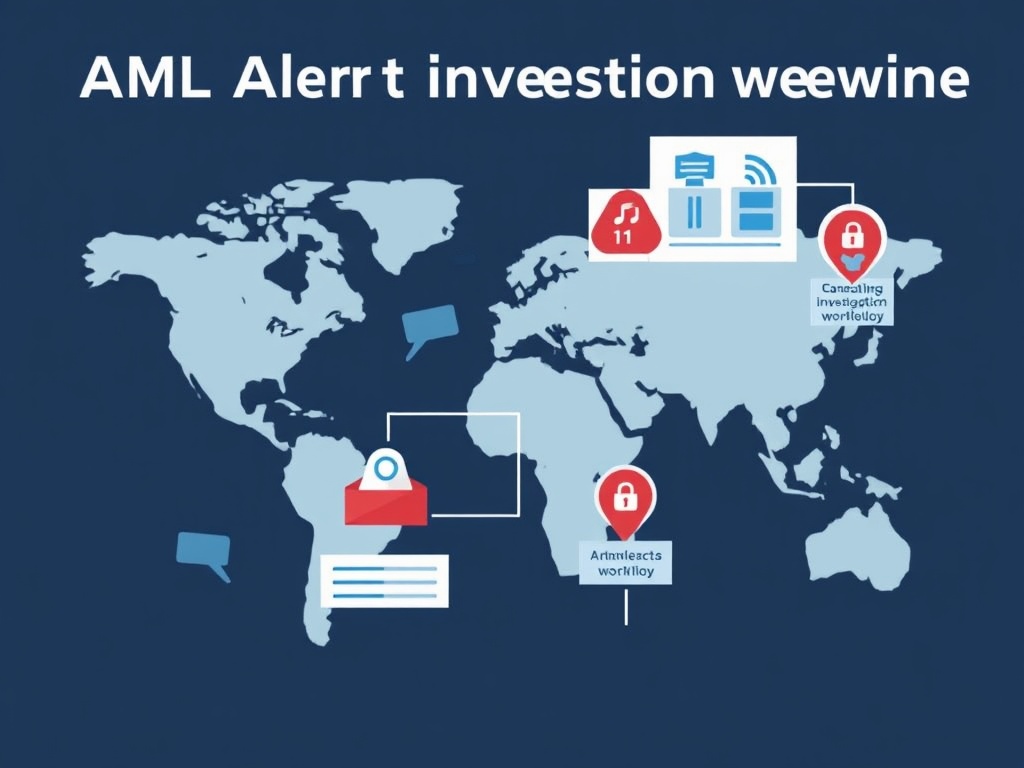
As a digital assets strategist with a background in both traditional finance and cryptocurrency markets, I’ve observed firsthand how the anonymity of blockchain technology has emboldened cybercriminals to exploit unsuspecting users through phishing schemes. These attacks often result in stolen funds being laundered through a complex web of wallets, mixers, and decentralized exchanges. However, the integration of robust AML check phishing proceeds mechanisms can disrupt this cycle by enabling investigators to trace illicit transactions back to their source. From a quantitative perspective, the effectiveness of such checks hinges on real-time monitoring tools that leverage machine learning to flag suspicious patterns, such as rapid fund movements or interactions with known high-risk addresses. Without these safeguards, the recovery of stolen assets becomes exponentially more difficult, leaving victims with little recourse.
Practically speaking, financial institutions and crypto platforms must adopt a multi-layered approach to combat phishing proceeds. This includes deploying blockchain analytics platforms that specialize in AML check phishing proceeds workflows, as well as collaborating with law enforcement to share intelligence on emerging threats. For instance, by analyzing on-chain data, we can identify clusters of wallets linked to phishing campaigns and map their transaction flows to detect money laundering typologies. Additionally, proactive measures like wallet screening at the point of entry—where users are flagged if they attempt to deposit funds tied to known scams—can deter bad actors before they execute their schemes. The key takeaway is that while phishing remains a persistent threat, a data-driven AML framework not only enhances compliance but also serves as a critical line of defense in safeguarding digital assets.