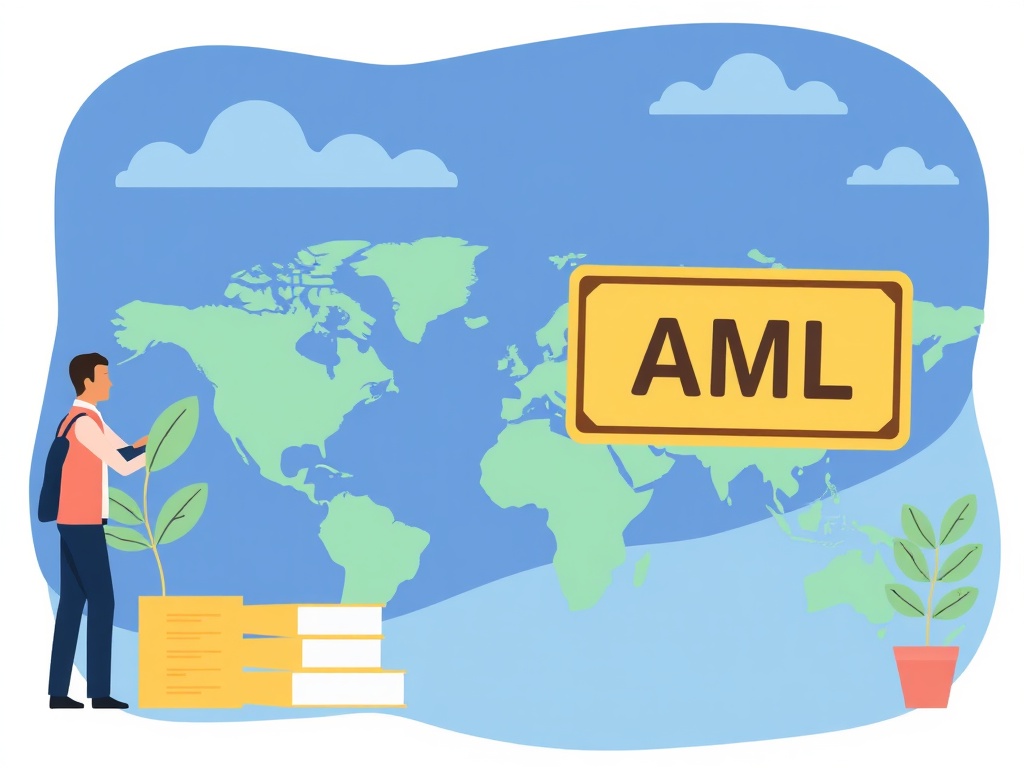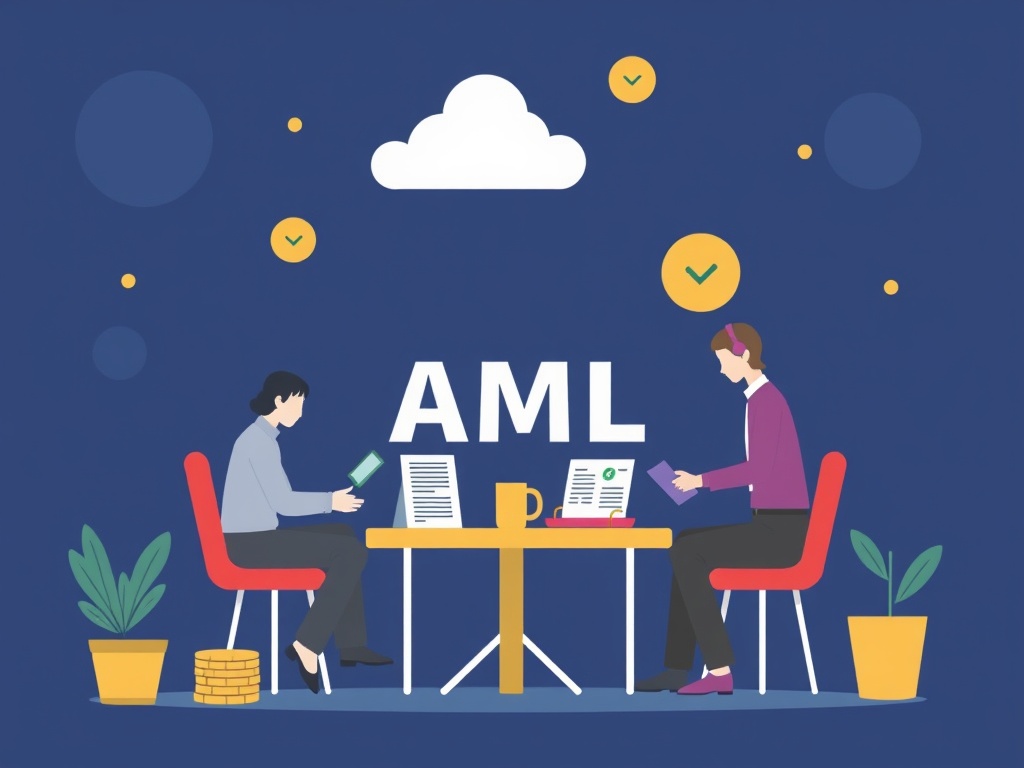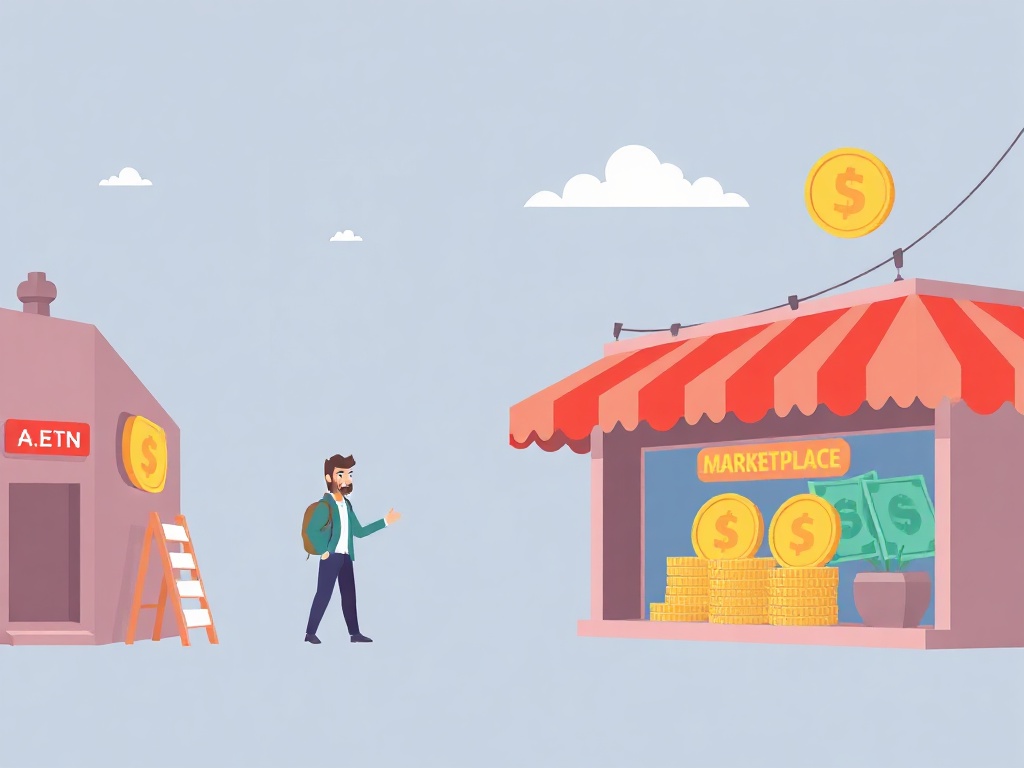
As the NFT marketplace ecosystem continues to expand, so too do the concerns surrounding financial crimes such as money laundering. The decentralized and pseudonymous nature of blockchain technology, while enabling innovation, also creates opportunities for illicit activities. To address these risks, Anti-Money Laundering (AML) checks have become a critical component of compliance in digital asset platforms, particularly within NFT marketplaces. This article explores the intersection of AML compliance and NFT trading, highlighting the importance of robust AML check mechanisms in preventing money laundering.
The Rise of NFT Marketplaces and Associated Risks
NFTs, or non-fungible tokens, have revolutionized digital ownership by allowing creators to tokenize art, collectibles, virtual real estate, and more. Marketplaces such as OpenSea, Rarible, and Foundation facilitate the buying and selling of these unique digital assets. However, the rapid growth of this sector has also attracted bad actors seeking to exploit vulnerabilities in the system.
Why NFT Marketplaces Are Vulnerable to Money Laundering
Several factors contribute to the susceptibility of NFT platforms to money laundering:
- Pseudonymity: Transactions on blockchain networks are recorded publicly but are not directly linked to real-world identities, making it difficult to trace the origin of funds.
- High Value Transactions: NFTs can sell for millions of dollars, providing an attractive vehicle for moving large sums of illicit money.
- Cross-Border Nature: NFT marketplaces operate globally, complicating jurisdictional oversight and enforcement.
- Lack of Standardized KYC/AML Procedures: Many platforms historically lacked robust identity verification and transaction monitoring systems.
These vulnerabilities underscore the urgent need for effective AML check protocols within NFT marketplaces to detect and deter suspicious activities.
Real-World Cases of NFT-Related Money Laundering
While high-profile cases remain relatively rare, there have been documented instances where NFTs were used to launder money:
- Art Wash Scams: Criminals purchase NFTs with illicit funds and then resell them to themselves or through shell accounts to create a veneer of legitimacy.
- Layered Transactions: Multiple NFT sales across different wallets and platforms are used to obscure the money trail.
- Wash Trading: Traders artificially inflate NFT prices by buying and selling the same asset among controlled accounts, creating false market value that can be used to justify large transfers.
These tactics highlight the sophistication of financial criminals and the necessity for proactive AML check measures in NFT ecosystems.
The Role of AML Checks in NFT Marketplaces
An AML check refers to the process of screening transactions, users, and wallets for signs of money laundering or other financial crimes. In the context of NFT marketplaces, AML checks serve several critical functions:
1. Identity Verification (KYC) Integration
Know Your Customer (KYC) procedures are foundational to AML compliance. NFT platforms must collect and verify user identities to ensure that participants are not using the platform to conceal their identities.
Effective KYC in NFT marketplaces includes:
- Government-issued ID verification (passport, driver’s license)
- Proof of address documentation
- Facial recognition matching
- Ongoing monitoring for identity changes or suspicious behavior
By implementing rigorous KYC, platforms can reduce the risk of money laundering by ensuring that only legitimate users can transact.
2. Transaction Monitoring and Anomaly Detection
Beyond initial identity checks, continuous transaction monitoring is essential. AML systems analyze transaction patterns to identify anomalies that may indicate illicit activity.
Common red flags in NFT transactions include:
- Rapid, high-value transfers between unrelated wallets
- Transactions involving wallets flagged on sanctions lists
- Unusual trading volumes or price fluctuations inconsistent with market trends
- Use of mixers or tumblers to obscure transaction trails
Advanced AML tools use machine learning and behavioral analytics to detect these patterns in real time, enabling platforms to flag and investigate suspicious transactions promptly.
3. Sanctions Screening and Compliance
NFT marketplaces must comply with international sanctions regimes, such as those imposed by the OFAC (Office of Foreign Assets Control) in the United States or the EU’s sanctions lists. An AML check includes screening users and transactions against these lists to prevent sanctioned individuals or entities from accessing the platform.
Failure to comply with sanctions can result in severe penalties, reputational damage, and loss of banking relationships. Therefore, integrating sanctions screening into the AML check framework is non-negotiable for compliant platforms.
Regulatory Landscape and Compliance Obligations
The regulatory environment surrounding NFTs and digital assets is evolving rapidly. While NFTs themselves are not currently classified as securities or currencies in most jurisdictions, regulators are increasingly focusing on the financial risks they pose.
Global Regulatory Trends
Several key regulatory bodies have issued guidance or proposed rules related to AML in the NFT space:
- Financial Action Task Force (FATF): The FATF has emphasized that NFT marketplaces may fall under the definition of "virtual asset service providers" (VASPs) if they facilitate the exchange of NFTs for fiat or other virtual assets. This would subject them to AML/CFT (Combating the Financing of Terrorism) obligations.
- U.S. Treasury (FinCEN): FinCEN has indicated that certain NFT activities, particularly those involving money transmission or investment-like features, may trigger AML requirements under the Bank Secrecy Act (BSA).
- EU (MiCA Regulation): The EU’s Markets in Crypto-Assets Regulation (MiCA), while not yet fully implemented, is expected to bring NFT platforms under a comprehensive regulatory framework, including AML obligations.
- UK (FCA): The UK’s Financial Conduct Authority has warned that NFT platforms could be subject to AML regulations if they are deemed to be operating as exchanges or custodians.
These developments signal a clear trend: NFT marketplaces will increasingly be required to implement robust AML check systems to remain compliant and avoid regulatory scrutiny.
Jurisdictional Variations and Challenges
Despite global trends, regulatory approaches to NFTs vary significantly by country:
- United States: The U.S. has taken a cautious approach, focusing on AML compliance for platforms that facilitate the exchange of NFTs for fiat currency or other virtual assets.
- Singapore: Singapore’s central bank, MAS, has issued guidelines suggesting that NFT platforms may need to comply with AML rules if they are deemed to be financial institutions.
- China: China has banned all cryptocurrency transactions, including NFT trading, and has not yet established a clear AML framework for NFTs.
- Switzerland: Switzerland’s FINMA has taken a more progressive stance, allowing regulated NFT platforms to operate under existing AML laws.
This patchwork of regulations creates compliance challenges for global NFT marketplaces, which must navigate multiple legal frameworks to ensure adherence to AML check requirements.
Best Practices for Implementing AML Checks in NFT Marketplaces
To effectively combat money laundering and meet regulatory expectations, NFT platforms should adopt a multi-layered approach to AML compliance. Below are best practices for implementing an effective AML check system.
1. Adopt a Risk-Based Approach
A risk-based AML strategy tailors compliance measures to the level of risk posed by different users and transactions. Platforms should categorize users based on factors such as:
- Transaction volume and frequency
- Geographic location (high-risk jurisdictions)
- Type of NFTs traded (e.g., high-value art vs. gaming items)
- User behavior patterns (e.g., rapid trading, use of mixers)
High-risk users should undergo enhanced due diligence (EDD), including additional identity verification, source of funds checks, and ongoing monitoring.
2. Integrate Advanced Technology Solutions
Manual AML checks are insufficient for the scale and speed of NFT transactions. Platforms should invest in automated AML solutions that leverage:
- Blockchain Analytics Tools: Platforms like Chainalysis, TRM Labs, and Elliptic provide real-time transaction monitoring and risk scoring by analyzing on-chain data.
- AI and Machine Learning: These technologies can detect complex patterns of suspicious behavior, such as coordinated wash trading or layering schemes.
- Smart Contract Audits: Auditing smart contracts for vulnerabilities that could be exploited for illicit activities ensures the integrity of the platform’s infrastructure.
By integrating these technologies, NFT marketplaces can enhance the effectiveness of their AML check processes and reduce false positives.
3. Establish Clear Policies and Training Programs
Compliance is not just about technology—it’s also about people. NFT platforms should develop comprehensive AML policies that outline:
- Procedures for customer due diligence (CDD) and enhanced due diligence (EDD)
- Guidelines for reporting suspicious transactions (Suspicious Activity Reports, or SARs)
- Protocols for handling investigations and regulatory inquiries
- Employee training programs on recognizing red flags and compliance obligations
Regular training ensures that staff are aware of the latest money laundering typologies and regulatory updates, fostering a culture of compliance.
4. Collaborate with Regulators and Industry Peers
Collaboration is key to staying ahead of emerging threats. NFT marketplaces should:
- Engage with regulatory bodies to understand evolving expectations and seek guidance.
- Participate in industry associations, such as the Blockchain Association or Global Digital Finance, to share best practices and advocate for clear regulatory standards.
- Share threat intelligence with other platforms to identify and disrupt cross-platform illicit activities.
By working together, the industry can strengthen its collective defenses against money laundering and build trust with regulators and users.
Challenges and Future Outlook for AML in NFT Marketplaces
Despite progress, NFT marketplaces face significant challenges in implementing effective AML check systems. Understanding these challenges is crucial for developing future-proof compliance strategies.
Technological and Operational Challenges
Several obstacles hinder the widespread adoption of robust AML measures:
- Decentralization vs. Compliance: The core ethos of decentralization conflicts with the centralized nature of AML compliance, creating tension between innovation and regulation.
- Scalability Issues: As NFT marketplaces grow, maintaining real-time transaction monitoring and identity verification becomes increasingly complex.
- Privacy Concerns: Users may resist intrusive KYC requirements, fearing loss of anonymity or data breaches.
- Evolving Tactics: Money launderers continuously adapt their strategies, requiring AML systems to be regularly updated and tested.
Addressing these challenges will require innovation, collaboration, and a willingness to balance user experience with compliance.
The Future of AML in NFT Marketplaces
The future of AML compliance in NFT marketplaces will likely be shaped by several key trends:
- Regulatory Clarity: As governments refine their approaches to NFT regulation, platforms will gain clearer guidance on their AML obligations.
- Decentralized Identity Solutions: Emerging technologies like decentralized identifiers (DIDs) and verifiable credentials could enable privacy-preserving identity verification, aligning AML requirements with user expectations.
- Interoperability and Data Sharing: Greater collaboration between AML tools, blockchain analytics platforms, and regulatory bodies will enhance detection capabilities.
- Tokenization of Compliance: Some platforms are exploring the use of NFTs or tokens to represent compliance status, enabling seamless verification across ecosystems.
These advancements hold the potential to make AML check processes more efficient, effective, and user-friendly, ultimately fostering a safer and more trustworthy NFT marketplace.
Conclusion: Building a Secure and Compliant NFT Ecosystem
The intersection of NFTs and money laundering presents a complex challenge that demands proactive and comprehensive solutions. An effective AML check system is not just a regulatory requirement—it is a cornerstone of trust and sustainability in the NFT marketplace. By integrating robust identity verification, real-time transaction monitoring, sanctions screening, and advanced analytics, platforms can significantly reduce the risk of illicit activities.
Moreover, staying ahead of regulatory developments and adopting a risk-based, collaborative approach will ensure that NFT marketplaces remain compliant and resilient in the face of evolving threats. As the industry matures, the adoption of innovative technologies and best practices will be essential in creating an ecosystem where creativity and compliance coexist harmoniously.
Ultimately, the goal is to protect both users and the integrity of the NFT market. Through diligent AML check measures, NFT platforms can help prevent money laundering, safeguard financial systems, and pave the way for a more transparent and secure digital future.

As the Blockchain Research Director at a leading fintech firm, I’ve observed firsthand how the rapid growth of NFT marketplaces has inadvertently created new avenues for financial crime, particularly money laundering. The decentralized and pseudonymous nature of blockchain transactions makes NFTs an attractive tool for illicit actors to obscure the origins of funds. While NFTs themselves are not inherently illicit, their integration into unregulated or loosely monitored marketplaces amplifies risks. A robust AML check NFT marketplace money laundering framework is no longer optional—it’s a critical necessity to maintain market integrity and compliance with global financial regulations.
From a technical standpoint, implementing effective AML checks in NFT marketplaces requires a multi-layered approach. Smart contract audits must extend beyond security vulnerabilities to include transaction monitoring for suspicious patterns, such as rapid flipping of high-value NFTs or cross-border transfers to high-risk jurisdictions. Additionally, integrating real-time blockchain analytics tools can help flag wallets associated with known illicit activities. However, the challenge lies in balancing transparency with user privacy—a dilemma that demands innovative solutions like zero-knowledge proofs or selective disclosure mechanisms. Marketplaces that proactively adopt these measures not only mitigate legal risks but also build trust with institutional investors and regulators.