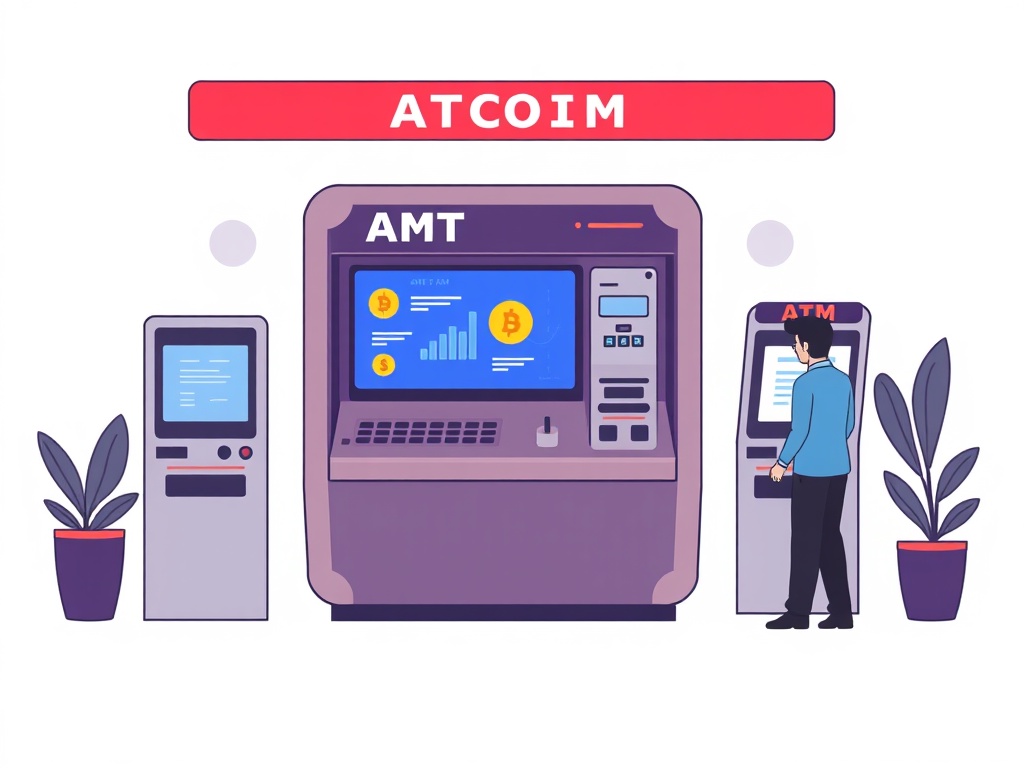
As the cryptocurrency ecosystem continues to expand, crypto ATMs have become a vital bridge between digital and fiat currencies. These machines allow users to buy or sell cryptocurrencies using cash or debit cards, offering convenience and accessibility. However, with this innovation comes the critical responsibility of ensuring compliance with Anti-Money Laundering (AML) regulations. For crypto ATM operators, implementing a robust AML check crypto ATM operator system is not just a legal obligation—it’s a cornerstone of trust, security, and long-term business viability.
In this comprehensive guide, we explore the essential aspects of AML compliance for crypto ATM operators. From understanding regulatory frameworks to implementing effective transaction monitoring, this article provides actionable insights to help operators navigate the complex landscape of financial crime prevention in the digital age.
The Importance of AML Compliance in Crypto ATM Operations
Why AML Matters for Crypto ATM Operators
Crypto ATMs operate in a high-risk environment due to the pseudonymous nature of cryptocurrencies and the potential for illicit activities such as money laundering, terrorist financing, and fraud. Unlike traditional banking systems, crypto transactions are irreversible and often lack the same level of identity verification. This anonymity makes crypto ATMs attractive to bad actors seeking to obscure the origin of illicit funds.
A well-structured AML check crypto ATM operator program helps mitigate these risks by ensuring that all transactions are traceable, monitored, and reported when necessary. Compliance with AML regulations not only protects the operator from legal penalties and reputational damage but also fosters trust among users and regulators. In many jurisdictions, failure to comply with AML laws can result in hefty fines, license revocation, or even criminal charges.
Key AML Regulations Affecting Crypto ATM Operators
Crypto ATM operators must adhere to a variety of AML regulations, which vary by country but generally follow international standards set by organizations like the Financial Action Task Force (FATF) and the Bank Secrecy Act (BSA) in the United States. Some of the most critical regulations include:
- Know Your Customer (KYC) Requirements: Operators must verify the identity of users before allowing transactions above a certain threshold (often $1,000 or more).
- Suspicious Activity Reporting (SAR): Operators are required to file SARs with financial authorities if they detect transactions that appear suspicious.
- Transaction Monitoring: Continuous monitoring of transactions to identify patterns indicative of money laundering or other financial crimes.
- Record Keeping: Maintaining detailed records of all transactions for a minimum of five years.
- Travel Rule Compliance: Ensuring that transaction data is shared between financial institutions, as mandated by FATF guidelines.
For a AML check crypto ATM operator, staying updated on these regulations is crucial. Non-compliance can lead to severe consequences, including loss of operating licenses and damage to the operator’s reputation.
The Role of AML Checks in Preventing Financial Crime
An effective AML check system for crypto ATMs serves multiple purposes:
- Identity Verification: Ensuring that users are who they claim to be through government-issued IDs, biometric scans, or other verification methods.
- Transaction Screening: Cross-referencing transaction details with sanctions lists, politically exposed persons (PEPs), and other high-risk entities.
- Risk Assessment: Evaluating the risk level of each transaction based on factors such as transaction size, frequency, and geographic location.
- Real-Time Monitoring: Detecting and flagging unusual activity, such as rapid, large transactions or transactions involving high-risk jurisdictions.
- Reporting and Documentation: Generating and submitting required reports to regulatory authorities in a timely manner.
By integrating these components into their operations, a AML check crypto ATM operator can significantly reduce the risk of financial crime and demonstrate a commitment to regulatory compliance.
Implementing an Effective AML Check System for Crypto ATMs
Step 1: Establishing a Robust KYC Process
Know Your Customer (KYC) is the foundation of any AML compliance program. For crypto ATM operators, a comprehensive KYC process should include:
- Identity Verification: Requiring users to present a government-issued ID (e.g., passport, driver’s license) and matching it against a database to confirm authenticity.
- Biometric Authentication: Using facial recognition or fingerprint scanning to ensure the person presenting the ID is the legitimate owner.
- Address Verification: Requesting proof of address, such as a utility bill or bank statement, to confirm the user’s residential location.
- Risk-Based Approach: Tailoring the KYC process based on the risk level of the user. High-risk users may require additional verification steps.
For a AML check crypto ATM operator, automating the KYC process using third-party verification services can streamline operations while ensuring accuracy and compliance.
Step 2: Integrating Transaction Monitoring Tools
Transaction monitoring is a critical component of AML compliance. Crypto ATM operators should deploy advanced monitoring tools that can:
- Detect Unusual Patterns: Identifying transactions that deviate from a user’s typical behavior, such as sudden large withdrawals or frequent small deposits.
- Screen Against Watchlists: Cross-referencing transaction details with sanctions lists, PEPs, and other high-risk entities in real time.
- Flag Suspicious Activity: Automatically generating alerts for transactions that meet predefined risk thresholds.
- Provide Audit Trails: Maintaining detailed logs of all transactions and monitoring activities for regulatory reporting.
Many AML software solutions offer integration with crypto ATM networks, allowing operators to monitor transactions across multiple machines from a centralized dashboard. This not only enhances security but also simplifies compliance reporting for the AML check crypto ATM operator.
Step 3: Ensuring Compliance with the Travel Rule
The FATF’s Travel Rule requires financial institutions to share transaction information when transferring funds between entities. For crypto ATM operators, this means ensuring that transaction data is securely transmitted to the receiving institution. Key steps include:
- Collecting and Sharing Required Data: Gathering details such as the sender’s and receiver’s names, wallet addresses, and transaction amounts.
- Using Secure Channels: Transmitting data through encrypted channels to prevent interception or tampering.
- Partnering with Compliance Solutions: Collaborating with AML software providers that support Travel Rule compliance.
Failure to comply with the Travel Rule can result in regulatory penalties and reputational damage. For a AML check crypto ATM operator, integrating Travel Rule compliance into their AML framework is essential for operating in a global market.
Step 4: Training Staff on AML Compliance
Even the most advanced AML tools are only as effective as the people using them. Crypto ATM operators must invest in comprehensive training programs to ensure their staff understands AML regulations and best practices. Key training areas include:
- Recognizing Red Flags: Educating staff on common indicators of money laundering, such as structuring transactions to avoid reporting thresholds.
- Handling Suspicious Activity: Training employees on how to respond to alerts and file SARs with regulatory authorities.
- Staying Updated on Regulations: Providing ongoing education to keep staff informed about changes in AML laws and industry standards.
A well-trained team is a critical asset for any AML check crypto ATM operator, as it ensures that compliance is embedded in the organization’s culture.
Common Challenges in AML Compliance for Crypto ATM Operators
Balancing User Privacy with Regulatory Requirements
One of the most significant challenges for crypto ATM operators is balancing the need for user privacy with the strict requirements of AML regulations. Cryptocurrencies are inherently pseudonymous, and users often value the anonymity they provide. However, AML laws mandate identity verification and transaction monitoring, which can conflict with user expectations.
To address this challenge, operators can implement privacy-preserving technologies such as zero-knowledge proofs or decentralized identity solutions. These technologies allow users to verify their identity without revealing sensitive personal information, thereby maintaining a level of privacy while ensuring compliance. For a AML check crypto ATM operator, adopting such innovations can enhance user trust and differentiate their services in a competitive market.
Dealing with High-Risk Jurisdictions
Crypto ATMs located in or serving high-risk jurisdictions face additional scrutiny from regulators. These jurisdictions may have weak AML frameworks, high levels of corruption, or ties to illicit activities. Operators in these regions must implement enhanced due diligence (EDD) measures, such as:
- Additional Identity Verification: Requiring multiple forms of ID or conducting in-person verification.
- Enhanced Transaction Monitoring: Implementing stricter thresholds for transaction monitoring and reporting.
- Geographic Risk Assessments: Regularly evaluating the risk associated with transactions involving high-risk countries.
For a AML check crypto ATM operator operating in or near high-risk jurisdictions, proactive risk management is essential to avoid regulatory penalties and reputational damage.
Managing Cross-Border Compliance
Crypto ATMs often serve users from multiple countries, each with its own set of AML regulations. Operators must navigate a complex web of international laws, which can vary significantly in terms of reporting requirements, transaction thresholds, and enforcement mechanisms.
To manage cross-border compliance, operators can:
- Adopt a Global AML Framework: Implementing a standardized AML program that aligns with the strictest regulations, such as those set by the FATF.
- Use Multi-Jurisdictional Compliance Tools: Leveraging AML software that supports compliance with multiple regulatory frameworks.
- Consult Legal Experts: Seeking guidance from legal professionals specializing in international AML laws to ensure full compliance.
A AML check crypto ATM operator with a global presence must prioritize cross-border compliance to avoid legal pitfalls and maintain operational integrity.
Addressing the Rise of Decentralized Finance (DeFi) and Privacy Coins
The growing popularity of decentralized finance (DeFi) platforms and privacy coins (e.g., Monero, Zcash) presents additional challenges for AML compliance. These technologies are designed to enhance user privacy and decentralization, making it difficult for operators to trace transactions and verify identities.
To mitigate these risks, operators can:
- Implement Advanced Analytics: Using blockchain forensics tools to trace transactions involving privacy coins or DeFi platforms.
- Educate Users: Informing users about the limitations of privacy coins and the importance of compliance.
- Collaborate with Industry Groups: Participating in initiatives aimed at developing AML standards for DeFi and privacy coins.
For a AML check crypto ATM operator, staying ahead of technological trends and adapting compliance strategies accordingly is crucial for long-term success.
Best Practices for AML Check Crypto ATM Operators
Leveraging Technology for Efficient Compliance
Technology plays a pivotal role in streamlining AML compliance for crypto ATM operators. By leveraging advanced tools and platforms, operators can enhance the efficiency and effectiveness of their AML programs. Some of the most impactful technologies include:
- AI-Powered Transaction Monitoring: Using artificial intelligence to analyze transaction patterns and detect anomalies in real time.
- Blockchain Analytics: Employing blockchain forensics tools to trace cryptocurrency transactions and identify suspicious activity.
- Automated KYC Solutions: Integrating automated identity verification services to speed up the onboarding process while ensuring accuracy.
- Regulatory Technology (RegTech): Utilizing RegTech solutions to automate reporting, monitoring, and compliance tasks.
A forward-thinking AML check crypto ATM operator will invest in these technologies to stay ahead of regulatory requirements and reduce operational costs.
Building a Culture of Compliance
Compliance should not be viewed as a mere checkbox exercise but as a core value of the organization. To foster a culture of compliance, operators should:
- Lead by Example: Ensuring that senior management prioritizes AML compliance and sets a tone of integrity throughout the organization.
- Encourage Reporting: Creating channels for employees to report suspicious activity without fear of retaliation.
- Recognize Compliance Achievements: Rewarding employees who demonstrate a commitment to AML best practices.
- Conduct Regular Audits: Performing internal and external audits to assess the effectiveness of the AML program and identify areas for improvement.
By embedding compliance into the organizational culture, a AML check crypto ATM operator can create a resilient and trustworthy business model.
Collaborating with Industry Peers and Regulators
Collaboration is key to staying ahead of evolving AML risks. Crypto ATM operators should actively engage with industry peers, regulators, and compliance experts to share best practices and address common challenges. Some ways to foster collaboration include:
- Participating in Industry Associations: Joining organizations such as the Crypto Council for Innovation or the Blockchain Association to advocate for clear and practical AML regulations.
- Attending Conferences and Webinars: Staying informed about the latest trends and regulatory updates through industry events.
- Engaging with Regulators: Proactively communicating with regulatory bodies to clarify compliance expectations and address concerns.
- Sharing Threat Intelligence: Collaborating with other operators to share information about emerging threats and suspicious activities.
A collaborative approach not only enhances the effectiveness of an AML check crypto ATM operator’s compliance program but also strengthens the broader crypto ecosystem.
Preparing for Regulatory Audits and Examinations
Regulatory audits are an inevitable part of operating a crypto ATM business. To ensure readiness, operators should:
- Maintain Comprehensive Records: Keeping detailed logs of all transactions, KYC verifications, and monitoring activities.
- Conduct Mock Audits: Performing internal reviews to identify and address potential gaps in compliance.
- Train Staff on Audit Protocols: Ensuring that employees understand their roles and responsibilities during an audit.
- Engage Compliance Consultants: Seeking expert guidance to prepare for regulatory examinations and address any deficiencies.
By adopting a proactive approach to regulatory readiness, a AML check crypto ATM operator can minimize disruptions and demonstrate a commitment to compliance.
The Future of AML Compliance for Crypto ATM Operators
Emerging Trends in AML Regulations
The regulatory landscape for crypto ATMs is constantly evolving, with new trends shaping the future of AML compliance. Some of the most significant trends include:
- Increased Scrutiny on Stablecoins: Regulators are focusing on stablecoins due to their potential use in money laundering and market manipulation.
- Expansion of the Travel Rule: The FATF is pushing for broader adoption of the Travel Rule, which will require more detailed transaction reporting.
- Focus on Decentralized Exchanges (DEXs): Regulators are turning their attention to DEXs, which operate without centralized intermediaries and pose unique AML challenges.
- Integration of CBDCs: The rise of central bank digital currencies (CBDCs) may introduce new compliance requirements for crypto ATM operators.
For a AML check crypto ATM operator, staying informed about these trends is essential for adapting compliance strategies and maintaining regulatory alignment.
The Role of Decentralized Identity Solutions
Decentralized identity solutions, such as self-sovereign identity (SSI) and verifiable credentials, are gaining traction as a way to enhance privacy while ensuring compliance. These solutions allow users to control their identity data and share it selectively with trusted parties, such as crypto ATM operators.
The benefits of decentralized identity for AML compliance include:
- Enhanced Privacy: Users can verify their identity without revealing unnecessary personal information.
- Improved Security: Reducing the risk of data breaches by storing identity data on decentralized
 Robert HayesDeFi & Web3 Analyst
Why AML Checks Are Non-Negotiable for Crypto ATM Operators in 2024
As a DeFi and Web3 analyst with years of experience dissecting on-chain liquidity flows and regulatory compliance gaps, I’ve observed that crypto ATMs represent one of the most overlooked yet critical chokepoints in the digital asset ecosystem. These machines, which bridge fiat and crypto, are increasingly targeted by bad actors exploiting their relative anonymity and fragmented compliance frameworks. An AML check crypto ATM operator isn’t just a regulatory checkbox—it’s a foundational layer of trust that separates legitimate operators from those unknowingly facilitating illicit finance. The Financial Action Task Force (FATF) has repeatedly emphasized that virtual asset service providers (VASPs), including ATM operators, must implement robust Know Your Customer (KYC) and transaction monitoring systems. Failure to do so not only invites enforcement actions but also risks systemic exposure to money laundering schemes, as seen in recent cases where unregulated ATMs were used to launder proceeds from darknet markets.
From a practical standpoint, the integration of AML checks in crypto ATMs must go beyond superficial identity verification. Operators should prioritize real-time transaction monitoring tools that flag suspicious patterns—such as rapid, high-volume exchanges or geographic mismatches between user location and transaction origin. Partnering with licensed compliance providers like Chainalysis or TRM Labs can automate risk scoring while ensuring alignment with regional regulations such as the EU’s MiCA or the U.S. Bank Secrecy Act. Additionally, operators must implement geofencing to restrict access in jurisdictions with strict capital controls or known sanctions risks. The cost of non-compliance is steep: fines can exceed $10 million, as demonstrated by FinCEN’s 2020 settlement with a crypto ATM operator for willful violations. In an era where institutional adoption hinges on transparency, an AML check crypto ATM operator isn’t just a legal obligation—it’s a competitive advantage that signals operational maturity to both regulators and users.