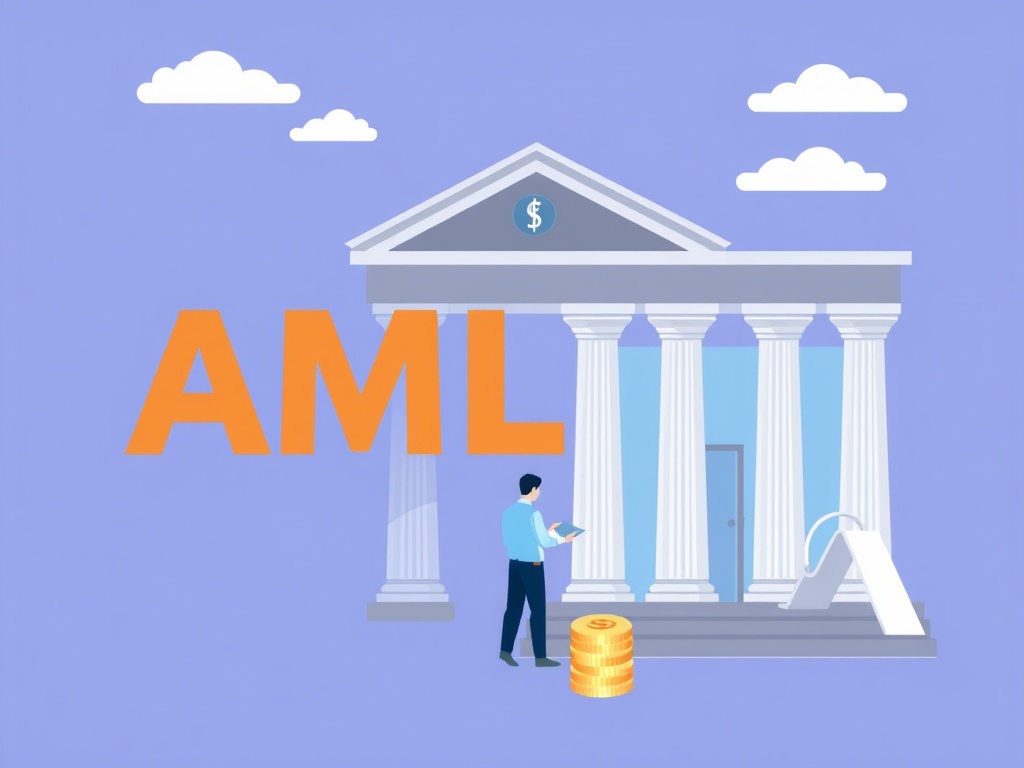
In today’s global financial landscape, Anti-Money Laundering (AML) compliance remains a cornerstone of regulatory integrity, particularly in international financial hubs like Hong Kong. As financial institutions and businesses expand their operations across borders, the need for robust AML check AMLO Hong Kong mechanisms has never been more critical. This comprehensive guide explores the intricacies of AML compliance in Hong Kong, focusing on the role of the AML Officer (AMLO) and the unique challenges faced in this dynamic market.
Hong Kong, as a leading international financial center, attracts businesses and investors from around the world. However, its strategic position also makes it vulnerable to financial crimes, including money laundering and terrorist financing. To combat these threats, Hong Kong has implemented stringent AML regulations, aligning with global standards set by the Financial Action Task Force (FATF). At the heart of these efforts is the AML Officer (AMLO), a key figure responsible for ensuring compliance and mitigating risks.
This article delves into the responsibilities of an AMLO in Hong Kong, the regulatory framework governing AML checks, and the best practices for maintaining compliance in a rapidly evolving financial environment. Whether you are a compliance professional, a business owner, or an investor, understanding the nuances of AML check AMLO Hong Kong is essential for safeguarding your operations and reputation.
The Role of an AML Officer (AMLO) in Hong Kong’s Financial Ecosystem
The Anti-Money Laundering Officer (AMLO) plays a pivotal role in Hong Kong’s financial sector, acting as the first line of defense against financial crimes. As financial institutions, including banks, fintech companies, and corporate entities, navigate an increasingly complex regulatory landscape, the AMLO ensures adherence to local and international AML laws. Their responsibilities span risk assessment, transaction monitoring, and reporting suspicious activities to authorities such as the Joint Financial Intelligence Unit (JFIU).
Key Responsibilities of an AMLO in Hong Kong
The duties of an AMLO in Hong Kong are multifaceted and require a deep understanding of both local regulations and global best practices. Below are the core responsibilities:
- Risk Assessment and Management: Conducting thorough risk assessments to identify vulnerabilities within the organization. This includes evaluating customer profiles, transaction patterns, and geographic risks to determine the likelihood of money laundering activities.
- Customer Due Diligence (CDD): Implementing robust Know Your Customer (KYC) procedures to verify the identities of clients and beneficial owners. Enhanced due diligence (EDD) is required for high-risk customers, such as politically exposed persons (PEPs) or those from high-risk jurisdictions.
- Transaction Monitoring: Utilizing advanced software and analytics tools to monitor transactions in real-time. The AMLO must flag unusual activities, such as large cash deposits, rapid fund transfers, or transactions involving sanctioned entities.
- Suspicious Activity Reporting (SAR): Filing reports with the Joint Financial Intelligence Unit (JFIU) when suspicious transactions are detected. Timely reporting is crucial to prevent financial crimes and avoid regulatory penalties.
- Training and Awareness: Educating employees and stakeholders about AML regulations, red flags, and compliance procedures. Regular training ensures that the entire organization remains vigilant against evolving threats.
- Regulatory Compliance: Staying updated with changes in AML laws, such as the Anti-Money Laundering and Counter-Terrorist Financing Ordinance (AMLO) and guidelines issued by the Hong Kong Monetary Authority (HKMA) and Securities and Futures Commission (SFC).
Why the AMLO is Indispensable in Hong Kong
Hong Kong’s status as a global financial hub means it is a prime target for money launderers seeking to exploit its sophisticated banking systems and open markets. The AMLO serves as a gatekeeper, ensuring that financial institutions do not become unwitting participants in illicit activities. By implementing stringent AML check AMLO Hong Kong protocols, the AMLO helps maintain the integrity of Hong Kong’s financial system and protects it from reputational damage.
Moreover, the role of the AMLO extends beyond mere compliance. A proactive AMLO can identify emerging risks, such as cryptocurrency-related money laundering or trade-based financial crimes, and implement preventive measures. In a city where financial innovation is rapid, the AMLO must balance compliance with the need to foster a business-friendly environment.
Hong Kong’s AML Regulatory Framework: Laws and Guidelines
Hong Kong’s AML regime is robust and continuously evolving to address new threats. The primary legislation governing AML compliance is the Anti-Money Laundering and Counter-Terrorist Financing Ordinance (AMLO), which was amended in 2022 to align with FATF recommendations. This ordinance imposes strict obligations on financial institutions and designated non-financial businesses and professions (DNFBPs), such as law firms, real estate agents, and precious metals dealers.
Key AML Laws and Regulations in Hong Kong
Understanding the legal framework is essential for any AMLO in Hong Kong to ensure compliance. Below are the critical laws and guidelines:
- Anti-Money Laundering and Counter-Terrorist Financing Ordinance (AMLO):
- Mandates financial institutions to implement AML/CFT (Counter-Financing of Terrorism) systems.
- Requires the reporting of suspicious transactions to the Joint Financial Intelligence Unit (JFIU).
- Imposes penalties for non-compliance, including fines and imprisonment.
- Guidelines by the Hong Kong Monetary Authority (HKMA):
- Provides sector-specific guidance for banks and financial institutions.
- Emphasizes the importance of risk-based approaches to AML compliance.
- Guidelines by the Securities and Futures Commission (SFC):
- Outlines AML obligations for licensed corporations and asset managers.
- Highlights the need for ongoing monitoring and periodic reviews of AML policies.
- Guidelines by the Insurance Authority (IA):
- Applies to insurance companies and intermediaries, requiring them to conduct customer due diligence and monitor transactions.
- Sanctions and Terrorist Financing Regulations:
- Hong Kong enforces sanctions imposed by the United Nations and other jurisdictions.
- Financial institutions must screen customers and transactions against sanctions lists.
Recent Amendments and Their Impact on AML Compliance
The 2022 amendments to the AMLO introduced several significant changes, including:
- Expansion of Covered Entities: The scope of the AMLO was broadened to include more DNFBPs, such as virtual asset service providers (VASPs) and dealers in precious metals and stones.
- Enhanced Due Diligence (EDD) Requirements: Financial institutions must now conduct EDD for customers from high-risk jurisdictions, as identified by the FATF.
- Stricter Record-Keeping Obligations: Institutions must maintain records of transactions and customer identification for at least six years.
- Introduction of the Beneficial Ownership Register: Companies and limited partnerships must maintain a register of beneficial owners, accessible to law enforcement agencies.
These amendments reflect Hong Kong’s commitment to combating financial crimes and aligning with international standards. For an AMLO in Hong Kong, staying abreast of these changes is critical to avoid regulatory breaches and ensure the effectiveness of AML programs.
Challenges Faced by AMLOs in Hong Kong’s Financial Sector
While Hong Kong’s AML framework is comprehensive, AMLOs face numerous challenges in implementing and maintaining effective compliance programs. These challenges stem from the city’s unique economic environment, technological advancements, and the sophistication of financial criminals. Below are the key obstacles encountered by AMLOs in Hong Kong:
1. Rapid Digitalization and Fintech Innovation
Hong Kong is a global leader in fintech, with innovations such as digital banking, blockchain, and cryptocurrency gaining traction. While these technologies drive economic growth, they also introduce new risks for money laundering. For instance:
- Cryptocurrency Transactions: Virtual assets are increasingly used for illicit activities due to their anonymity and cross-border transferability. AMLOs must navigate the complexities of monitoring crypto transactions while ensuring compliance with the AMLO and guidelines issued by the Securities and Futures Commission (SFC).
- Digital Banking: The rise of virtual banks and e-wallets has expanded financial inclusion but also created new avenues for financial crimes. AMLOs must adapt their monitoring systems to detect suspicious activities in real-time.
- AI and Machine Learning: While AI can enhance transaction monitoring, it also presents challenges in distinguishing between legitimate and illicit activities. False positives can overwhelm compliance teams, while sophisticated criminals may exploit AI to evade detection.
2. High-Risk Jurisdictions and PEPs
Hong Kong’s open economy means it engages in significant trade and financial transactions with jurisdictions across the globe. However, some of these jurisdictions are flagged by the FATF for weak AML/CFT controls, increasing the risk of money laundering. AMLOs must conduct enhanced due diligence on customers from these regions.
Additionally, dealing with Politically Exposed Persons (PEPs) poses a significant challenge. PEPs, by virtue of their public positions, are considered high-risk due to the potential for corruption and bribery. The AMLO must:
- Identify and verify the PEP status of customers and beneficial owners.
- Implement enhanced monitoring for transactions involving PEPs.
- Ensure that senior management approval is obtained for onboarding PEPs.
3. Cross-Border Transactions and Trade-Based Laundering
Hong Kong’s role as an international trade hub makes it susceptible to trade-based money laundering (TBML), where criminals exploit trade transactions to disguise illicit funds. Common TBML techniques include:
- Over-Invoicing or Under-Invoicing: Misrepresenting the value of goods or services to move money across borders.
- Multiple Invoicing: Creating multiple invoices for the same transaction to obscure the true nature of the funds.
- Shell Companies: Using fictitious entities to facilitate cross-border transactions and launder money.
Detecting TBML requires a combination of data analytics, collaboration with trade finance teams, and coordination with customs authorities. The AMLO must work closely with other departments to identify red flags and report suspicious activities.
4. Resource Constraints and Talent Shortages
The demand for skilled AMLOs in Hong Kong far exceeds the supply, leading to talent shortages in the compliance sector. Key challenges include:
- High Turnover Rates: The pressure and complexity of AML roles often lead to burnout and high turnover, making it difficult for institutions to maintain consistent compliance programs.
- Lack of Specialized Training: While there are certification programs like the Certified Anti-Money Laundering Specialist (CAMS), the availability of advanced training in Hong Kong is limited.
- Competition with Other Financial Hubs: Hong Kong competes with cities like Singapore and London for top AML talent, often losing professionals to higher salaries or better career opportunities abroad.
To address these challenges, financial institutions in Hong Kong are investing in upskilling their compliance teams, offering competitive compensation packages, and leveraging technology to automate routine tasks.
5. Balancing Compliance with Business Growth
One of the most delicate challenges for an AMLO in Hong Kong is striking a balance between stringent compliance and fostering a business-friendly environment. Overly restrictive AML measures can stifle innovation and deter legitimate businesses, while lax controls can expose the institution to regulatory scrutiny and financial penalties.
For example, fintech startups and digital asset exchanges often face delays in obtaining licenses due to stringent AML requirements. The AMLO must work closely with business teams to ensure that compliance does not become a bottleneck while still mitigating risks effectively.
Best Practices for Effective AML Compliance in Hong Kong
Given the complexities and challenges of AML compliance in Hong Kong, adopting best practices is essential for financial institutions and AMLOs. Below are actionable strategies to enhance AML programs and ensure robust AML check AMLO Hong Kong protocols:
1. Implement a Risk-Based Approach
A risk-based approach is the cornerstone of effective AML compliance. Rather than applying a one-size-fits-all strategy, financial institutions should tailor their AML programs based on the level of risk posed by customers, products, and geographic locations. Key steps include:
- Conducting Risk Assessments: Regularly evaluate the risks associated with different customer segments, such as high-net-worth individuals, corporate clients, and PEPs. Use data analytics to identify patterns and anomalies.
- Segmenting Customers: Classify customers into low, medium, and high-risk categories. High-risk customers should undergo enhanced due diligence (EDD), while low-risk customers may be subject to simplified due diligence (SDD).
- Monitoring Transactions Dynamically: Use automated systems to monitor transactions in real-time, adjusting thresholds based on risk levels. For instance, transactions involving high-risk jurisdictions should trigger immediate alerts.
2. Leverage Technology for AML Compliance
Technology plays a crucial role in enhancing the efficiency and effectiveness of AML programs. Financial institutions in Hong Kong are increasingly adopting the following tools:
- AI and Machine Learning: These technologies can analyze vast amounts of data to detect suspicious patterns and reduce false positives. For example, machine learning models can identify unusual transaction behaviors that may indicate money laundering.
- Blockchain Analytics: Given the rise of cryptocurrencies, blockchain analytics tools can trace the flow of digital assets and identify illicit transactions. These tools are particularly useful for monitoring crypto exchanges and wallet addresses.
- RegTech Solutions: Regulatory technology (RegTech) streamlines compliance processes by automating tasks such as customer due diligence, sanctions screening, and reporting. Solutions like ComplyAdvantage and Refinitiv World-Check are widely used in Hong Kong.
- Biometric Authentication: To combat identity fraud, financial institutions are adopting biometric authentication methods, such as facial recognition and fingerprint scanning, for customer onboarding and transaction verification.
3. Foster a Culture of Compliance
Compliance is not the sole responsibility of the AMLO—it requires a collective effort from the entire organization. To cultivate a culture of compliance, institutions should:
- Provide Regular Training: Conduct AML training sessions for all employees, tailored to their roles. For example, frontline staff should be trained to recognize red flags, while senior management should understand their oversight responsibilities.
- Encourage Whistleblowing: Establish anonymous reporting channels for employees to report suspicious activities without fear of retaliation. This encourages a proactive approach to compliance.
- Promote Transparency: Ensure that AML policies and procedures are clearly communicated to all stakeholders, including customers. Transparency builds trust and demonstrates the institution’s commitment to ethical practices.
- Reward Compliance Champions: Recognize and reward employees who demonstrate exceptional commitment to AML compliance. This can motivate others to prioritize compliance in their daily operations.
4. Collaborate with Regulatory Authorities and Industry Peers
Collaboration is key to staying ahead of financial crimes. AMLOs in Hong Kong should actively engage with regulatory bodies and industry associations to share insights and best practices. Key initiatives include:
- Participating in FATF Mutual Evaluations: Hong Kong undergoes periodic mutual evaluations by the FATF to assess its AML/CFT framework. AMLOs can contribute to these evaluations by providing data and insights on the institution’s compliance efforts.
- Joining Industry Forums:
 David ChenDigital Assets Strategist
AML Check for AMLO in Hong Kong: A Digital Assets Strategist's Perspective
As a digital assets strategist with a background in traditional finance and cryptocurrency markets, I’ve closely monitored the intersection of anti-money laundering (AML) regulations and political figures operating in high-risk jurisdictions like Hong Kong. The case of AMLO—whether referring to a political entity, individual, or associated financial activities—demands rigorous AML scrutiny, particularly in a region known for its complex regulatory landscape and evolving compliance standards. Hong Kong’s financial ecosystem, while robust, has faced challenges in aligning with global AML frameworks, making due diligence essential for any entity or individual operating within its jurisdiction. From a quantitative and on-chain analytics perspective, AML checks must extend beyond surface-level verification to include transactional pattern analysis, counterparty risk assessment, and real-time monitoring of suspicious activities.
Practical insights suggest that AMLO-related entities in Hong Kong should prioritize transparency and proactive compliance to mitigate regulatory risks. This includes implementing advanced AML screening tools that leverage AI-driven transaction monitoring, as well as engaging with local regulatory bodies to ensure alignment with both Hong Kong’s Financial Services and the Treasury Bureau (FSTB) and international standards like FATF’s Travel Rule. For digital asset strategists, the key lies in balancing operational efficiency with compliance—leveraging blockchain forensics to trace illicit flows while avoiding over-reliance on manual processes. Ultimately, AML checks for AMLO in Hong Kong are not just a legal obligation but a strategic imperative to safeguard financial integrity in a rapidly evolving market.