In today’s fast-paced financial landscape, regulatory compliance is more critical than ever. Financial institutions, fintech companies, and even traditional businesses must adhere to stringent Anti-Money Laundering (AML) regulations to prevent illicit activities such as money laundering, terrorist financing, and fraud. One of the most effective tools to ensure compliance is the AML check mobile application. This comprehensive guide explores the significance, features, benefits, and implementation strategies of an AML check mobile application, helping businesses stay ahead in the compliance game.
Understanding AML Compliance and Its Importance
Before diving into the specifics of an AML check mobile application, it’s essential to grasp the fundamentals of AML compliance and why it matters.
What Is AML Compliance?
Anti-Money Laundering (AML) compliance refers to the set of laws, regulations, and procedures designed to prevent criminals from disguising illegally obtained funds as legitimate income. AML regulations require financial institutions to monitor transactions, report suspicious activities, and maintain detailed records of customer identities and transactions.
Key AML regulations include:
- The Bank Secrecy Act (BSA) (USA) – Requires financial institutions to assist U.S. government agencies in detecting and preventing money laundering.
- 4th and 5th EU Money Laundering Directives (EU) – Mandates enhanced due diligence, beneficial ownership transparency, and risk-based approaches.
- Financial Action Task Force (FATF) Recommendations – Global standards for combating money laundering and terrorist financing.
- Patriot Act (USA) – Expands AML obligations to include customer identification programs (CIP) and suspicious activity reporting (SAR).
Why Is AML Compliance Crucial?
Non-compliance with AML regulations can result in severe consequences, including:
- Heavy Fines and Penalties – Regulatory bodies such as the Financial Crimes Enforcement Network (FinCEN) and the European Supervisory Authorities (ESAs) impose substantial fines on non-compliant institutions.
- Reputational Damage – A single AML violation can erode customer trust and damage a company’s reputation irreparably.
- Legal Consequences – Senior management may face criminal charges, imprisonment, or civil lawsuits for failing to implement adequate AML measures.
- Operational Disruptions – Regulatory investigations can lead to temporary business closures, asset freezes, or forced restructuring.
Given these risks, businesses must adopt robust AML compliance strategies. An AML check mobile application serves as a powerful tool to automate and streamline these efforts.
The Rise of the AML Check Mobile Application
The digital transformation of financial services has led to the development of innovative solutions, including the AML check mobile application. These applications leverage cutting-edge technologies to enhance compliance efficiency and accuracy.
What Is an AML Check Mobile Application?
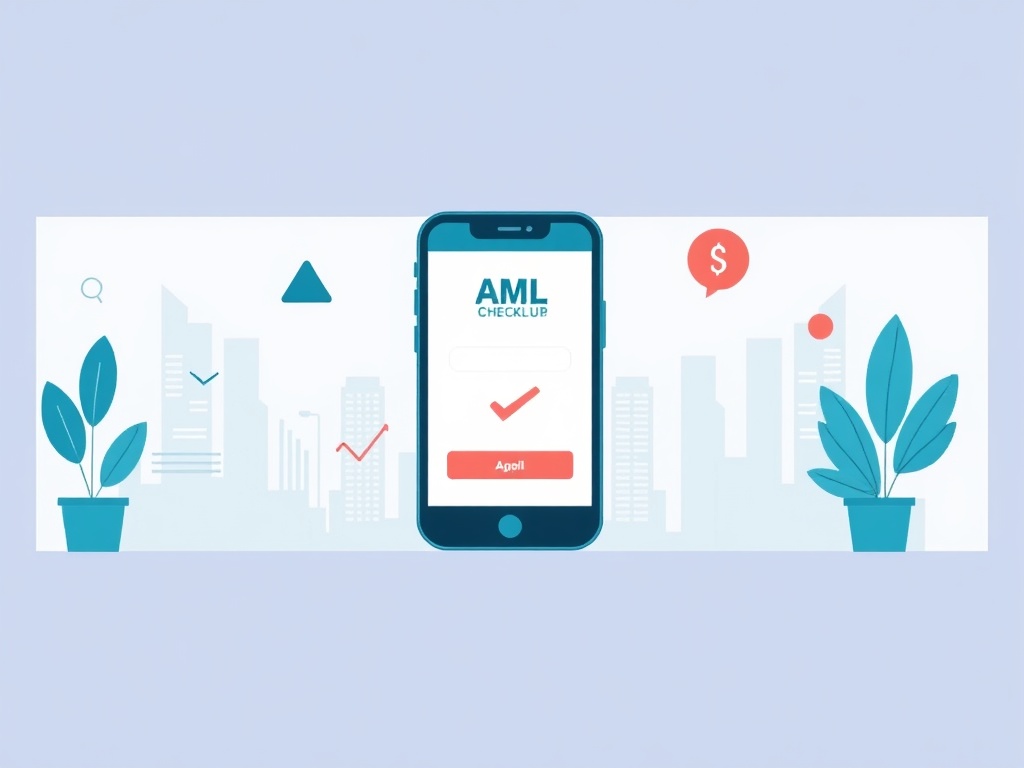
An AML check mobile application is a software solution designed to help businesses conduct real-time AML screenings, customer due diligence (CDD), and enhanced due diligence (EDD) directly from a mobile device. These applications integrate with global sanctions lists, politically exposed persons (PEP) databases, and adverse media sources to identify high-risk individuals or entities.
Key functionalities of an AML check mobile application include:
- Identity Verification – Biometric authentication, document scanning, and liveness detection to verify customer identities.
- Sanctions Screening – Real-time checks against global sanctions lists (e.g., OFAC, EU, UN, HM Treasury).
- PEP Screening – Identification of politically exposed persons and their associates.
- Transaction Monitoring – Detection of unusual or suspicious transaction patterns.
- Risk Assessment – Automated risk scoring based on customer profiles and transaction history.
- Reporting and Audit Trails – Generation of compliance reports and maintenance of audit logs for regulatory inspections.
Why Businesses Are Adopting AML Check Mobile Applications
The shift toward mobile-first solutions is driven by several factors:
- Accessibility and Convenience – Employees can perform AML checks anytime, anywhere, without being tied to a desktop.
- Speed and Efficiency – Automated processes reduce manual workloads, accelerating onboarding and transaction approvals.
- Cost-Effectiveness – Cloud-based solutions eliminate the need for expensive on-premise infrastructure.
- Scalability – Businesses can easily scale their AML compliance efforts as they grow.
- Enhanced Security – Advanced encryption and multi-factor authentication protect sensitive data.
With these advantages, an AML check mobile application is becoming an indispensable tool for modern compliance teams.
Key Features to Look for in an AML Check Mobile Application
Not all AML check mobile applications are created equal. When selecting a solution, businesses should prioritize the following features:
1. Real-Time Sanctions and PEP Screening
A robust AML check mobile application should provide instant access to global sanctions lists, including:
- Office of Foreign Assets Control (OFAC) – U.S. sanctions lists.
- European Union (EU) Sanctions – Restrictive measures against individuals and entities.
- United Nations (UN) Sanctions – International sanctions imposed by the UN Security Council.
- HM Treasury (UK) Sanctions – UK-specific sanctions regimes.
- Other regional sanctions lists (e.g., Canada, Australia, Singapore).
The application should also screen for Politically Exposed Persons (PEPs), their family members, and close associates, as these individuals pose higher AML risks.
2. Biometric and Document Verification
To combat identity fraud, an AML check mobile application should incorporate:
- Facial Recognition – Compares a live selfie with the ID document to ensure the person is genuine.
- Liveness Detection – Prevents spoofing attempts using photos or videos.
- ID Document Scanning – Automatically extracts and verifies data from passports, driver’s licenses, and national IDs.
- Address Verification – Cross-checks customer-provided addresses with utility bills or bank statements.
3. Automated Risk Assessment and Scoring
An effective AML check mobile application should assign risk scores to customers based on:
- Customer Profile – Age, occupation, source of funds, and geographic location.
- Transaction Patterns – Frequency, amount, and destination of transactions.
- Industry Risk – High-risk sectors (e.g., cryptocurrency, gaming, precious metals).
- PEP and Sanctions Flags – Matches against global watchlists.
This automated risk scoring helps compliance teams prioritize high-risk cases and allocate resources efficiently.
4. Transaction Monitoring and Alerts
To detect suspicious activities, an AML check mobile application should include:
- Real-Time Transaction Monitoring – Flags unusual transactions (e.g., rapid large deposits, structuring, or round-dollar transactions).
- Customizable Alerts – Notifies compliance officers of high-risk activities based on predefined thresholds.
- Case Management – Allows investigators to review, document, and escalate suspicious activity reports (SARs).
5. Integration with Existing Systems
A seamless AML check mobile application should integrate with:
- Customer Relationship Management (CRM) Systems – Syncs customer data for unified compliance management.
- Banking and Payment Platforms – Automates AML checks during onboarding and transactions.
- Regulatory Reporting Tools – Generates standardized reports for submission to authorities.
- Identity Verification Providers – Partners with third-party vendors for enhanced verification services.
6. Compliance Reporting and Audit Trails
Regulatory bodies require detailed documentation of AML efforts. A high-quality AML check mobile application should provide:
- Automated Report Generation – Customizable reports for audits, inspections, and internal reviews.
- Audit Logs – Tracks all user actions, including logins, verifications, and report submissions.
- Data Retention Policies – Ensures compliance with record-keeping requirements (e.g., 5-7 years for transaction data).
Benefits of Using an AML Check Mobile Application
Implementing an AML check mobile application offers numerous advantages for businesses across industries. Below are the key benefits:
1. Enhanced Compliance Efficiency
Manual AML processes are time-consuming, error-prone, and resource-intensive. An AML check mobile application automates repetitive tasks, such as:
- Customer identity verification.
- Sanctions and PEP screening.
- Risk assessment and scoring.
- Suspicious activity reporting.
This automation reduces human error, accelerates workflows, and ensures consistent compliance with AML regulations.
2. Improved Customer Experience
Lengthy onboarding processes can frustrate customers and lead to abandonment. An AML check mobile application streamlines verification with:
- Instant Identity Checks – Customers can verify their identity in minutes using their mobile device.
- Seamless Onboarding – Reduces friction by eliminating the need for in-person visits or paper documents.
- 24/7 Accessibility – Customers can complete AML checks outside of business hours.
By enhancing the customer experience, businesses can improve retention and loyalty.
3. Cost Savings and Scalability
Traditional AML compliance methods require significant investments in staff, infrastructure, and technology. An AML check mobile application offers:
- Lower Operational Costs – Reduces the need for manual labor and physical document storage.
- Cloud-Based Deployment – Eliminates the need for expensive on-premise servers.
- Scalable Solutions – Businesses can easily adjust their AML efforts as they grow or enter new markets.
4. Reduced Risk of Non-Compliance
Regulatory fines for AML violations can reach millions of dollars. An AML check mobile application helps mitigate these risks by:
- Ensuring Up-to-Date Compliance – Regularly updates sanctions lists and regulatory requirements.
- Providing Audit-Ready Documentation – Maintains detailed records for regulatory inspections.
- Automating Reporting – Ensures timely submission of suspicious activity reports (SARs) and other filings.
5. Competitive Advantage
In a crowded market, businesses that prioritize compliance and customer experience gain a competitive edge. An AML check mobile application demonstrates a commitment to:
- Regulatory Best Practices – Positions the business as a trusted and compliant entity.
- Innovation – Leverages cutting-edge technology to enhance security and efficiency.
- Customer Trust – Builds confidence by protecting against financial crimes.
Industries That Benefit from an AML Check Mobile Application
While AML regulations primarily target financial institutions, other industries also face compliance obligations. An AML check mobile application is valuable for:
1. Banking and Financial Services
Banks, credit unions, and fintech companies are the primary users of AML compliance tools. An AML check mobile application helps them:
- Verify customer identities during account opening.
- Monitor transactions for suspicious activities.
- Screen customers against global sanctions lists.
- Generate regulatory reports for authorities.
2. Cryptocurrency and Digital Assets
The decentralized nature of cryptocurrencies makes them attractive to money launderers. An AML check mobile application assists crypto businesses by:
- Screening wallet addresses against sanctions lists.
- Verifying the identities of crypto exchange users.
- Monitoring transactions for structuring or rapid fund movements.
- Ensuring compliance with Financial Action Task Force (FATF) Travel Rule requirements.
3. E-Commerce and Online Marketplaces
Online businesses that handle high-value transactions must comply with AML regulations. An AML check mobile application enables them to:
- Verify the identities of high-risk customers.
- Monitor transactions for unusual patterns (e.g., multiple high-value purchases).
- Screen sellers and buyers against sanctions lists.
4. Real Estate
Real estate transactions are a common method for money laundering. An AML check mobile application helps real estate agents and agencies by:
- Screening buyers and sellers against sanctions lists.
- Verifying the source of funds for large transactions.
- Monitoring transactions for suspicious activities (e.g., rapid resale at inflated prices).
5. Gaming and Gambling
The gaming industry is vulnerable to money laundering due to the high volume of cash transactions. An AML check mobile application assists gaming operators by:
- Verifying the identities of high-net-worth players.
- Monitoring transactions for structuring or suspicious betting patterns.
- Screening customers against global sanctions lists.
6. Precious Metals and Luxury Goods
Businesses dealing in high-value commodities like gold, diamonds, and luxury watches must comply with AML regulations. An AML check mobile application helps them:
- Verify the identities of buyers and sellers.
- Monitor transactions for unusual patterns (e.g., large cash purchases).
- Screen customers against sanctions lists.
How to Implement an AML Check Mobile Application
Adopting an AML check mobile application requires careful planning and execution. Below is a step-by-step guide to implementation:
1. Assess Your Compliance Needs
Before selecting an AML check mobile application, businesses should evaluate their specific requirements, including:
- Regulatory Obligations – Which AML laws apply to your industry and jurisdiction?
- Customer Base – What types of customers do you serve (e.g., retail, corporate, high-net-worth individuals)?
- Transaction Volume – How many transactions do you process daily or monthly?
- Risk Appetite – What level of risk are you willing to accept?
2. Choose the Right AML Check Mobile Application
Not all AML solutions are created equal. When selecting an AML check mobile application, consider the following factors:
- Coverage of Sanctions Lists – Does the application include global sanctions lists (e.g., OFAC, EU, UN)?
- Integration Capabilities – Can it seamlessly integrate with your existing systems (e.g., CRM, banking platforms)?
- User Experience – Is the application intuitive and easy to use for both employees and customers?
- Compliance Features – Does it offer automated risk scoring, transaction monitoring
 Sarah MitchellBlockchain Research Director
The Future of Compliance: Evaluating the AML Check Mobile Application for Modern Financial Systems
As Blockchain Research Director with over eight years in distributed ledger technology, I’ve seen firsthand how regulatory compliance tools must evolve to keep pace with the rapid digitization of financial services. The AML check mobile application represents a critical innovation in this space, offering real-time transaction monitoring and identity verification directly from a smartphone. Unlike traditional AML solutions that rely on cumbersome desktop interfaces or batch processing, this mobile-first approach aligns with the expectations of today’s users—whether they’re retail investors, freelancers, or small business owners. From a technical standpoint, the integration of machine learning models for anomaly detection and blockchain-based identity verification ensures both scalability and security, addressing the persistent challenge of false positives in AML screening.
However, the effectiveness of any AML check mobile application hinges on its adaptability to global regulatory frameworks. Jurisdictions like the EU, U.S., and Singapore impose distinct requirements for KYC/AML compliance, and a one-size-fits-all solution risks non-compliance or operational inefficiencies. I recommend prioritizing modular compliance engines that can dynamically adjust to regional laws, such as FATF’s Travel Rule or MiCA’s crypto-asset provisions. Additionally, the application’s user experience must balance rigor with accessibility—overly complex workflows deter adoption, while oversimplification may compromise security. In my consulting work, I’ve observed that the most successful fintech tools combine intuitive design with robust backend infrastructure, ensuring seamless integration with existing banking APIs or decentralized exchanges. For institutions evaluating such solutions, pilot testing with a subset of high-risk transactions can reveal critical gaps before full-scale deployment.