In the rapidly evolving landscape of digital finance, Anti-Money Laundering (AML) compliance has become a cornerstone for financial institutions, cryptocurrency exchanges, and blockchain analytics firms. One of the most challenging aspects of AML enforcement is the tracing of funds originating from or moving through paper wallets—a form of cold storage that stores cryptocurrency private keys offline. This guide provides a detailed exploration of AML check paper wallet fund tracing, covering methodologies, tools, regulatory frameworks, and best practices to ensure transparency and compliance in cryptocurrency transactions.
The process of AML check paper wallet fund tracing is not merely a technical exercise; it is a critical component of global efforts to combat financial crime, including money laundering, terrorist financing, and fraud. As paper wallets remain popular among long-term investors and privacy-conscious users, understanding how to trace their associated funds within an AML framework is essential for regulators, compliance officers, and blockchain investigators alike.
---Understanding Paper Wallets and Their Role in Cryptocurrency Transactions
What Is a Paper Wallet?
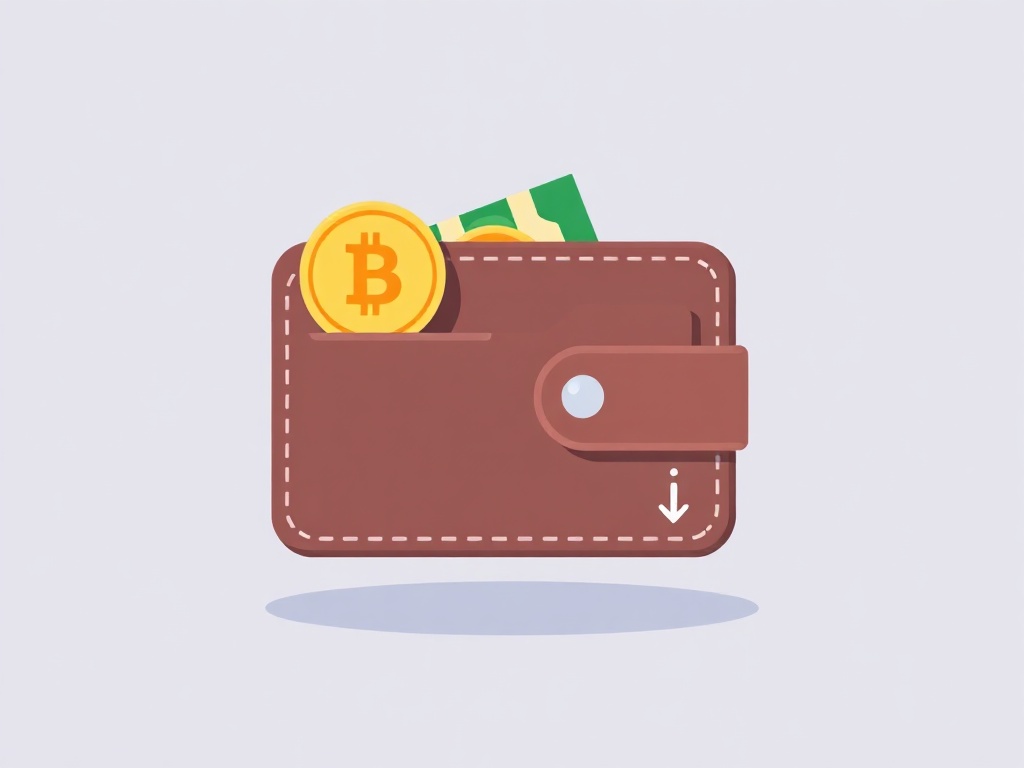
A paper wallet is a physical document containing a cryptocurrency address and its corresponding private key, often represented as a QR code. Unlike hot wallets (software-based), paper wallets are stored offline, making them highly resistant to hacking and online theft. This offline nature, however, also introduces unique challenges in fund tracing and AML compliance.
Paper wallets are typically generated using open-source tools such as BitAddress or WalletGenerator. Once created, the wallet can be printed, laminated, or stored in a secure location. To spend funds, the private key must be imported into a software wallet or exchanged platform—this step often marks the first point of digital interaction and potential exposure to AML monitoring systems.
Why Paper Wallets Are Popular Among Users
Several factors contribute to the enduring popularity of paper wallets:
- Security: Offline storage minimizes exposure to malware, phishing, and exchange hacks.
- Long-term storage: Ideal for holding cryptocurrency for years without reliance on third-party services.
- Privacy: Users maintain full control over their keys, reducing exposure to centralized surveillance.
- Cost-effectiveness: No fees associated with custodial services or hardware wallets.
However, this privacy and control come with trade-offs. Once a paper wallet is funded and later spent, the transaction becomes part of the public blockchain ledger. This is where AML check paper wallet fund tracing becomes relevant—regulators and investigators can analyze these on-chain movements to detect suspicious patterns.
How Funds Move from Paper Wallets
The lifecycle of a paper wallet typically involves three key stages:
- Generation: A new wallet address and private key are created offline.
- Funding: Cryptocurrency is sent to the wallet address from an exchange or another wallet.
- Spending: The private key is imported into a software wallet or exchange, and funds are moved to a new address.
It is during the spending phase that the paper wallet’s funds enter the digital ecosystem, becoming traceable on the blockchain. This transition is critical for AML monitoring, as it often represents the first point of exposure to regulated entities such as exchanges or payment processors.
---The Importance of AML Check Paper Wallet Fund Tracing in Compliance
AML Regulations and Cryptocurrency
Anti-Money Laundering regulations, such as the Bank Secrecy Act (BSA) in the United States, the Fifth Anti-Money Laundering Directive (5AMLD) in the European Union, and the Financial Action Task Force (FATF) Travel Rule, increasingly apply to virtual asset service providers (VASPs), including cryptocurrency exchanges and wallet providers.
Under these frameworks, entities are required to:
- Implement risk-based AML programs.
- Conduct customer due diligence (CDD) and enhanced due diligence (EDD) for high-risk transactions.
- Monitor transactions for suspicious activity.
- Report suspicious transactions to relevant authorities (e.g., FinCEN in the U.S., FIU in the EU).
Paper wallet transactions, especially when funds are moved to or from regulated exchanges, fall under these obligations. Therefore, conducting an AML check paper wallet fund tracing is not optional—it is a regulatory necessity for compliance teams.
Risks Associated with Paper Wallet Transactions
While paper wallets offer security benefits, they also pose risks that AML frameworks aim to mitigate:
- Anonymity: Paper wallets can facilitate anonymous transfers, making it difficult to link transactions to real-world identities.
- Layering: Criminals may use paper wallets to layer illicit funds across multiple addresses before depositing into regulated exchanges.
- Mixing services: Funds from paper wallets may be routed through mixers or tumblers to obscure their origin.
- Structuring: Small deposits from paper wallets may be made to avoid detection thresholds.
These risks underscore the need for robust AML check paper wallet fund tracing mechanisms to identify and report suspicious activity.
Real-World Cases Highlighting the Need for Tracing
Several high-profile cases have demonstrated the importance of tracing funds from paper wallets:
- Darknet Market Prosecutions: Law enforcement agencies have traced funds from paper wallets used to purchase illicit goods back to exchanges, leading to asset seizures and arrests.
- Ransomware Payments: Attackers often demand payment in cryptocurrency via paper wallets; tracing these funds has helped identify perpetrators and recover stolen assets.
- Sanctions Evasion: Individuals and entities under sanctions have used paper wallets to move funds across jurisdictions, requiring advanced tracing to detect violations.
These examples illustrate that AML check paper wallet fund tracing is not just a theoretical exercise—it is a practical tool for law enforcement and compliance professionals.
---Methodologies for AML Check Paper Wallet Fund Tracing
Blockchain Forensics and Transaction Analysis
The foundation of AML check paper wallet fund tracing lies in blockchain forensics—a specialized field that analyzes on-chain data to reconstruct transaction histories and identify patterns. Leading blockchain analytics platforms such as Chainalysis, Elliptic, TRM Labs, and CipherTrace provide tools specifically designed for AML compliance and criminal investigations.
These platforms use advanced algorithms to:
- Map transaction flows across multiple addresses.
- Identify clusters of addresses controlled by the same entity (wallet clustering).
- Detect interactions with known illicit services (e.g., darknet markets, mixers, sanctioned entities).
- Calculate risk scores based on transaction patterns and counterparties.
Step-by-Step Tracing Process
Conducting an effective AML check paper wallet fund tracing involves a structured approach:
- Address Identification:
Begin by identifying the paper wallet’s public address. This is typically obtained from the printed document or QR code. If the wallet has already been spent, the transaction hash (TXID) may be available in the wallet software or blockchain explorer.
- Transaction History Analysis:
Use a blockchain explorer (e.g., Blockchain.com, Etherscan) to retrieve the full transaction history of the address. Look for:
- Incoming transactions (funding the wallet).
- Outgoing transactions (spending the funds).
- Associated addresses (inputs and outputs in each transaction).
- Wallet Clustering:
Analyze the transaction graph to identify other addresses controlled by the same entity. This is based on the principle that addresses involved in the same transaction are likely controlled by the same user. Advanced tools use heuristics such as "common input ownership" and "change address detection" to cluster wallets.
- Risk Assessment:
Evaluate the risk profile of the address and its associated cluster. Key indicators include:
- Interaction with known illicit services.
- Use of mixers or tumblers.
- Rapid movement of funds across jurisdictions.
- Structuring or layering patterns.
- Linking to Real-World Identities:
Where possible, link the blockchain address to a real-world identity. This may involve:
- Cross-referencing with exchange KYC data (if funds were deposited).
- Analyzing IP addresses or device fingerprints from wallet software logs.
- Collaborating with law enforcement or financial intelligence units (FIUs).
- Reporting Suspicious Activity:
If the transaction meets AML reporting thresholds (e.g., large or unusual transactions), file a Suspicious Activity Report (SAR) with the appropriate authority. Include all relevant blockchain data, clustering results, and risk assessments.
Tools and Technologies for Effective Tracing
Several tools are indispensable for conducting AML check paper wallet fund tracing:
| Tool | Purpose | Key Features |
|---|---|---|
| Chainalysis Reactor | Blockchain investigation and visualization | Graph-based transaction mapping, risk scoring, integration with law enforcement databases |
| Elliptic Discovery | AML compliance and risk assessment | Real-time transaction monitoring, sanctions screening, exposure to illicit entities |
| TRM Forensics | Cryptocurrency investigation platform | Multi-chain support, entity resolution, case management |
| CipherTrace Cryptocurrency Intelligence | Regulatory compliance and fraud detection | Travel Rule compliance, exchange risk scoring, darknet market tracking |
| Blockchain Explorers (e.g., Etherscan, Blockchain.com) | Public transaction data retrieval | Free access to on-chain data, transaction graphs, address labels |
These tools enable compliance teams to automate much of the tracing process, reducing manual effort and improving accuracy in AML check paper wallet fund tracing.
---Challenges in AML Check Paper Wallet Fund Tracing
Privacy Enhancements and Cryptographic Techniques
While blockchain transparency is a strength, privacy-focused technologies complicate AML check paper wallet fund tracing:
- CoinJoin: Services like Wasabi Wallet and Samourai Wallet mix transactions from multiple users, making it difficult to trace individual inputs.
- Confidential Transactions: Used in networks like Monero, these obscure transaction amounts and origins.
- Stealth Addresses: In Monero and Zcash, recipients generate unique addresses for each transaction, breaking linkability.
- Lightning Network: Off-chain transactions reduce on-chain visibility, though channel openings and closings may still be traceable.
These technologies pose significant challenges for investigators attempting to trace funds from paper wallets, especially when used in combination.
Jurisdictional and Legal Barriers
AML compliance is not uniform across jurisdictions, and this inconsistency complicates AML check paper wallet fund tracing:
- Regulatory Arbitrage: Some jurisdictions have weaker AML enforcement, allowing illicit actors to exploit gaps.
- Data Privacy Laws: Laws such as GDPR in the EU restrict access to personal data, limiting the ability to link blockchain addresses to identities.
- Lack of Standardization: Differences in reporting requirements and thresholds across countries hinder cross-border investigations.
- Cryptocurrency Exchange Policies: Some exchanges do not retain KYC data for extended periods or refuse to cooperate with foreign authorities.
Technical Limitations and False Positives
Even with advanced tools, tracing paper wallet funds is not foolproof:
- Address Reuse: While paper wallets discourage reuse, some users may consolidate funds into reused addresses, complicating clustering.
- Exchange Hot Wallets: Funds deposited into exchanges are often pooled with other users’ funds, making individual tracing difficult.
- False Positives: Legitimate users may trigger AML alerts due to unusual transaction patterns (e.g., large one-time deposits).
- Evolving Tactics: Criminals continuously adapt, using new tools and techniques to evade detection.
These challenges necessitate a dynamic and adaptive approach to AML check paper wallet fund tracing, combining technology, human expertise, and regulatory collaboration.
---Best Practices for Conducting AML Check Paper Wallet Fund Tracing
Implementing a Risk-Based Approach
Compliance teams should adopt a risk-based approach to AML check paper wallet fund tracing, prioritizing high-risk transactions and entities. This involves:
- Risk Scoring: Assign risk scores to addresses based on their transaction history, counterparties, and known associations.
- Tiered Monitoring: Apply enhanced scrutiny to high-risk jurisdictions, services, or transaction types (e.g., cross-border transfers, large withdrawals).
- Continuous Monitoring: Use automated systems to flag suspicious activity in real time, rather than relying on periodic reviews.
Collaboration with Industry and Authorities
Effective tracing often requires collaboration beyond the organization:
- Information Sharing: Participate in industry forums such as the Blockchain Intelligence Group or Global Digital Finance to share threat intelligence.
- Law Enforcement Partnerships: Establish relationships with agencies like the FBI’s Virtual Currency Initiative or Europol’s European Cybercrime Centre (EC3).
- Exchange Cooperation: Work with other VASPs to share KYC data and transaction information under legal frameworks like the Travel Rule.
Training and Expertise Development
AML professionals must be trained in both blockchain technology and investigative techniques:
- Certifications: Pursue credentials such as Certified Anti-Money Laundering Specialist (CAMS) or Certified Cryptocurrency Investigator (CCI).
- Workshops: Attend training sessions on blockchain forensics and AML compliance tools.
- Case Studies: Analyze real-world cases to understand common tactics and red flags.
Documentation and Audit Trails
Comprehensive documentation is essential for regulatory compliance and internal audits:
- Transaction Logs: Maintain records of all tracing activities, including timestamps, tools used, and findings.
- Risk Assessments: Document the rationale behind risk scores and decisions to file SARs.
- Chain of Custody: Ensure that digital evidence (e.g., blockchain data, screenshots) is preserved and admissible in legal proceedings.
Leveraging Artificial Intelligence and Machine Learning
Emerging technologies are enhancing the efficiency and accuracy of AML check paper wallet fund tracing:
- Pattern Recognition: AI models can
 James RichardsonSenior Crypto Market Analyst
AML Check & Paper Wallet Fund Tracing: A Senior Analyst’s Perspective on Transparency in Crypto
As a Senior Crypto Market Analyst with over a decade of experience in blockchain forensics and regulatory compliance, I’ve seen firsthand how paper wallets—once a staple of cold storage—pose unique challenges for Anti-Money Laundering (AML) checks and fund tracing. While paper wallets offer offline security, their static nature complicates transaction monitoring, as funds remain dormant until manually imported into a digital wallet. This creates a blind spot for AML tools, which rely on real-time blockchain activity to flag suspicious behavior. Without proper documentation or a clear transaction history, tracing the origin or destination of funds tied to a paper wallet becomes a manual, time-intensive process—often requiring on-chain sleuthing to link addresses to known entities. For institutions and exchanges, this underscores the need for enhanced due diligence when handling paper wallet deposits, including mandatory KYC (Know Your Customer) verification and source-of-funds documentation to mitigate compliance risks.
From a practical standpoint, the rise of hybrid custody solutions—such as hardware wallets with integrated AML screening—offers a more robust alternative to traditional paper wallets. These solutions allow users to verify transactions against AML databases before broadcasting them, reducing the risk of inadvertently processing illicit funds. Additionally, blockchain analytics firms like Chainalysis and TRM Labs have developed advanced heuristics to trace funds even when they originate from paper wallets, by analyzing clustering patterns, transaction timing, and address reuse. However, the effectiveness of such tools depends on the quality of the initial AML check. For traders, investors, and compliance teams, the key takeaway is clear: while paper wallets remain a viable option for long-term storage, they should never be treated as a "set-and-forget" solution. Proactive AML checks, regular address monitoring, and integration with modern compliance platforms are essential to ensure transparency and regulatory adherence in an evolving crypto landscape.